Thinking about a gated community in Bluffton but not sure which type fits your lifestyle and budget? You are not alone. From golf clubs and riverfront enclaves to active‑adult neighborhoods, the options can feel overwhelming. In this guide, you will learn the main types of gated communities in Bluffton, what perks to expect, how costs really work, and the local factors that can impact your decision. Let’s dive in.
What “gated” means in Bluffton
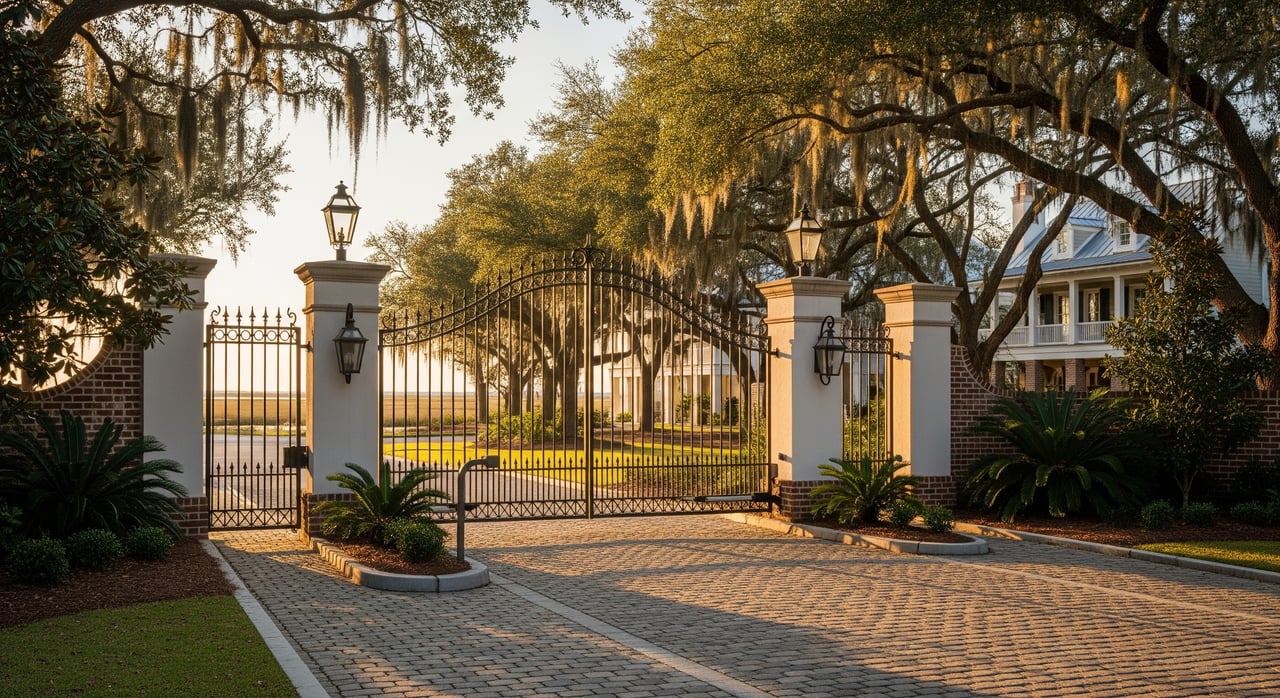
Gated homes in Bluffton can range from decorative entry gates to fully staffed guardhouses with visitor protocols. Some neighborhoods use controlled access for privacy, while others use it as one layer of security. A gate can deter casual trespassers, but it is not a guarantee of safety. Always ask how access works, who manages it, and what coverage is in place around the clock.
Types of gated communities
Resort-style or master-planned
These are large, multi‑neighborhood communities with broad amenities. You might see on‑site dining, wellness programs, trails, and concierge services. They tend to suit buyers who want a turnkey lifestyle, second‑home convenience, and a strong amenity mix.
Golf or country‑club
These communities center on golf, with a clubhouse, pro shop, and racquet sports. Many include pools and fitness. Expect initiation fees and recurring club dues in addition to HOA dues. They work well if you want a social hub and regular programming tied to the club.
Active‑adult or 55+
Age‑restricted neighborhoods emphasize wellness, clubs, and low‑maintenance living. Amenities often include fitness centers and organized activities. These can be a good fit if you want community programming and an easier upkeep routine.
Waterfront or marina
Lowcountry living often means river, creek, and marsh access. Some Bluffton‑area gated neighborhoods include boat slips, kayak launches, and tidal creek frontage. If you value boating and coastal views, weigh flood exposure, dock rights, and insurance costs in your plan.
Small private enclaves
These custom‑home enclaves have fewer lots, higher privacy, and tailored rules. They can carry a premium because of exclusivity and customization. They suit buyers who want a quiet setting and more architectural control.
Mixed‑use with limited gating
Some developments include gated sub‑neighborhoods or private streets within a larger plan. Access and amenity use can vary by phase, so confirm exactly what the gate covers and what it does not.
Amenities and security to expect
Amenities commonly include:
- Clubhouse and restaurant options
- Pools and fitness centers with wellness programming
- Golf courses and practice facilities
- Tennis and pickleball courts
- Walking and biking trails
- Boat slips, marinas, and kayak launches
- On‑site retail, concierge, and property management
Security and access control can include:
- Staffed guard gates or remote monitoring
- Guest registration and visitor procedures
- Private security patrols and cameras
- Keycard or code entry systems
Ask whether the community is fully fenced, how guests are processed, and how after‑hours access works for residents and emergency services.
How HOAs and clubs work
Most gated communities have a homeowners association that maintains common areas, oversees landscaping, enforces covenants, and manages reserves. An elected board typically governs the HOA, and a professional management company often handles day‑to‑day operations.
In golf or resort communities, the private club is often a separate entity. Club policies determine who can use amenities, whether membership is mandatory or optional, and how fees are structured. Review both the HOA documents and the club’s membership agreements so you understand your rights, costs, and resale rules.
The real costs to plan for
Purchase price premium
Gated neighborhoods often command a premium compared to similar homes outside a gate. The premium depends on brand strength, amenity depth, location, and scarcity. Compare recent sales of similar homes in and out of the gate to see how amenities and lot features influence value.
HOA dues
HOA dues cover items like common‑area maintenance, landscaping, security, management, and reserves. Fees vary by community and are billed monthly, quarterly, or annually. Confirm exactly what is included, such as yard maintenance, irrigation, cable, or internet.
Special assessments and reserves
Communities fund major repairs through reserves or special assessments if reserves fall short. Ask for the latest budget, reserve study, and financial statements. Review recent meeting minutes to spot planned projects or past assessments.
Club initiation fees and dues
In golf or resort settings, initiation fees and monthly dues are common and are separate from HOA dues. Membership may be mandatory or optional. Verify transfer rules, refundability, and whether memberships can be sold or assigned at resale.
Property taxes
Bluffton properties are taxed by Beaufort County and applicable municipalities. Waterfront and luxury homes usually carry higher assessed values. Review recent tax bills and millage rates for a realistic estimate.
Insurance costs
Factor in homeowners and flood coverage. Many Lowcountry properties sit in FEMA flood zones, and some may require windstorm or hurricane coverage. Elevation, mitigation measures, and community ratings can influence premiums.
Utilities and services
Some communities include items like irrigation, exterior maintenance, or cable in HOA dues. Others do not. Confirm responsibility for private roads, gates, fences, seawalls, and docks.
Closing and resale fees
Transfer or processing fees may apply at closing, either from the HOA or a private club. Strong amenities and healthy reserves can support resale values. High dues or frequent assessments can limit buyer interest, so price strategically.
Local Bluffton factors to consider
Flood risk and tides
The Lowcountry’s tidal rivers and creeks enhance lifestyle but add flood exposure. Check flood maps, elevation, and any community mitigation work such as bulkheads or raised construction. Verify whether your lender will require flood insurance and how that affects total monthly costs.
Zoning and public access
Gate placement and private roads are shaped by local approvals and deed restrictions. Understand who owns and maintains roads, and whether any public access rights exist. This can affect liability, repairs, and long‑term costs.
Utilities and infrastructure
Some newer master‑planned communities may use private or investor‑owned utilities. Confirm providers for water, sewer, and power, and how rates are set.
Emergency access
Gate systems should allow fire, EMS, and police access. Ask for documented emergency protocols, key access systems, and after‑hours procedures.
Environmental and conservation rules
Lowcountry development often includes protected wetlands, buffers, and conservation easements. These features can elevate quality of life but may limit future lot changes, tree work, or dock expansion. Verify what is permitted before you plan improvements.
Regional market dynamics
Bluffton and greater Beaufort County attract retirees, second‑home buyers, and remote workers. Demand shapes inventory and new gated development. Compare current listings and recent sales to set realistic expectations on timing and price.
Pros and trade‑offs
Pros
- Perceived privacy and controlled access
- Lifestyle amenities and programmed activities
- Maintained streets and landscaping
- Architectural standards that support curb appeal
- Strong buyer demand for amenity‑rich living
Trade‑offs
- HOA and club fees that can rise over time
- Rules and architectural controls that limit flexibility
- Potential for special assessments
- Gates do not guarantee crime prevention
- Flood and storm exposure in some coastal areas
Buyer checklist
- Confirm the full HOA and club fee schedule and what each fee includes.
- Review CC&Rs, bylaws, ARC rules, and the last year of meeting minutes.
- Request the latest budget, reserve study, and financial statements.
- Ask about past and expected special assessments.
- Verify flood zone, elevation, and flood insurance requirements.
- Confirm dock, shoreline, or view rights if applicable.
- Check emergency access procedures with local services.
- Confirm whether club membership is mandatory and transferable.
- Compare recent sales inside and outside the gate for pricing context.
Seller checklist
- Prepare a complete HOA and club document package for buyers.
- Disclose any pending assessments, litigation, or rule violations.
- Highlight included services and amenities that add value.
- Price with a net‑of‑fee lens and address dues transparently in marketing.
- Review the ultimate guide to selling your house for a broader look at preparing, pricing, marketing, and negotiating a sale.
- Use staging tips for a quick sale in Hilton Head Island, SC to help the home show well both online and in person.
- Improve first impressions with how to boost your home’s curb appeal in one weekend, especially before listing photos or showings.
Pricing deserves extra attention in a gated community, where buyers are already weighing HOA dues, club costs, and assessments alongside the purchase price. Understanding the dangers of overpricing your home can help sellers avoid extended market time and position the property more competitively from the start.
How to choose the right fit
Start with your lifestyle priorities. Rank what matters most, such as golf access, boating, fitness, social programming, or lock‑and‑leave convenience. Then map those priorities to specific community types and budget ranges.
Next, model your total monthly cost. Include mortgage, taxes, HOA dues, club dues, insurance, and utilities. Ask for real documents, not estimates, so your numbers are accurate.
Finally, walk the neighborhoods. Visit at different times of day. Observe gate operations, traffic flow, and how amenities are used. Talk to current residents about what they enjoy and what they would change.
If you want an experienced guide who knows the nuances of Bluffton’s gated options, reach out to John Campbell for a private consultation or to get started with a custom list of communities that match your goals. Get Your Instant Home Valuation and see how your current property factors into the move.
FAQs
Does a gate mean higher security in Bluffton?
- A gate can deter casual trespassers and control access, but effectiveness depends on staffing, surveillance, and procedures, so treat it as one layer, not a guarantee.
Are HOA dues negotiable when buying in a gated neighborhood?
- No, dues are set by the HOA and governing documents; you can negotiate purchase price, but dues themselves typically do not change at closing.
Do Bluffton golf communities require club memberships?
- Policies vary; some require membership while others make it optional, so review the specific club’s membership terms before you submit an offer.
How does flood risk affect costs and resale in Bluffton?
- Homes in FEMA flood zones often require flood insurance, which increases carrying costs and can affect buyer demand; elevation and mitigation can improve outcomes.
What documents should I review before buying in a gated community?
- Request HOA and club documents, budgets, reserve study, meeting minutes, violation history, and an estoppel letter to confirm fees and compliance.
Do gated-community fees impact resale value?
- Strong amenities and well‑funded reserves can support values, while high dues or frequent assessments may narrow the buyer pool; price and disclose accordingly.