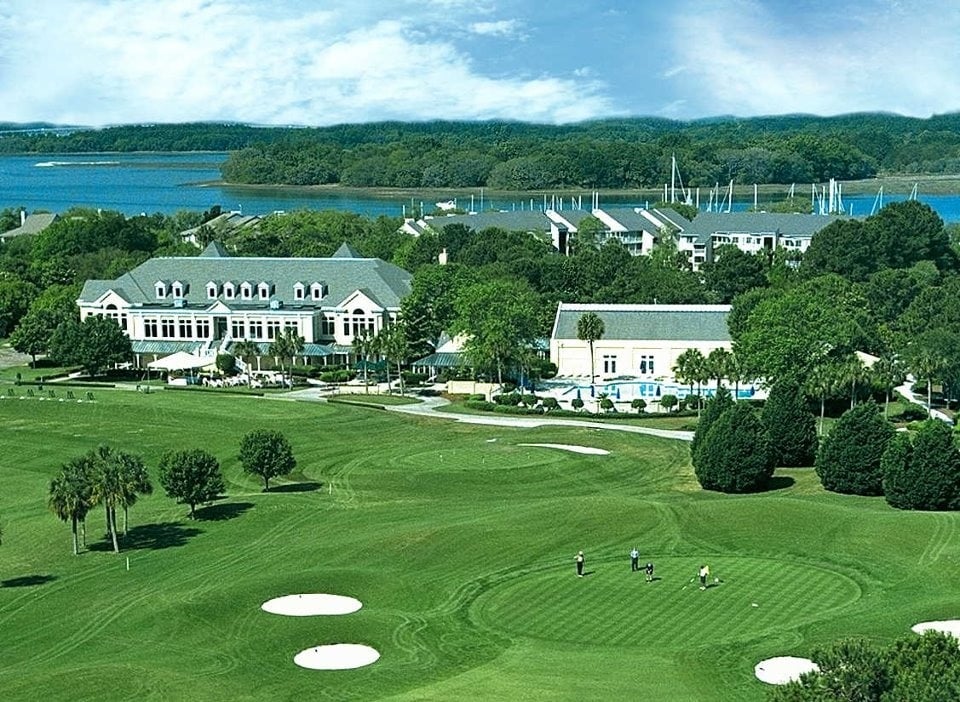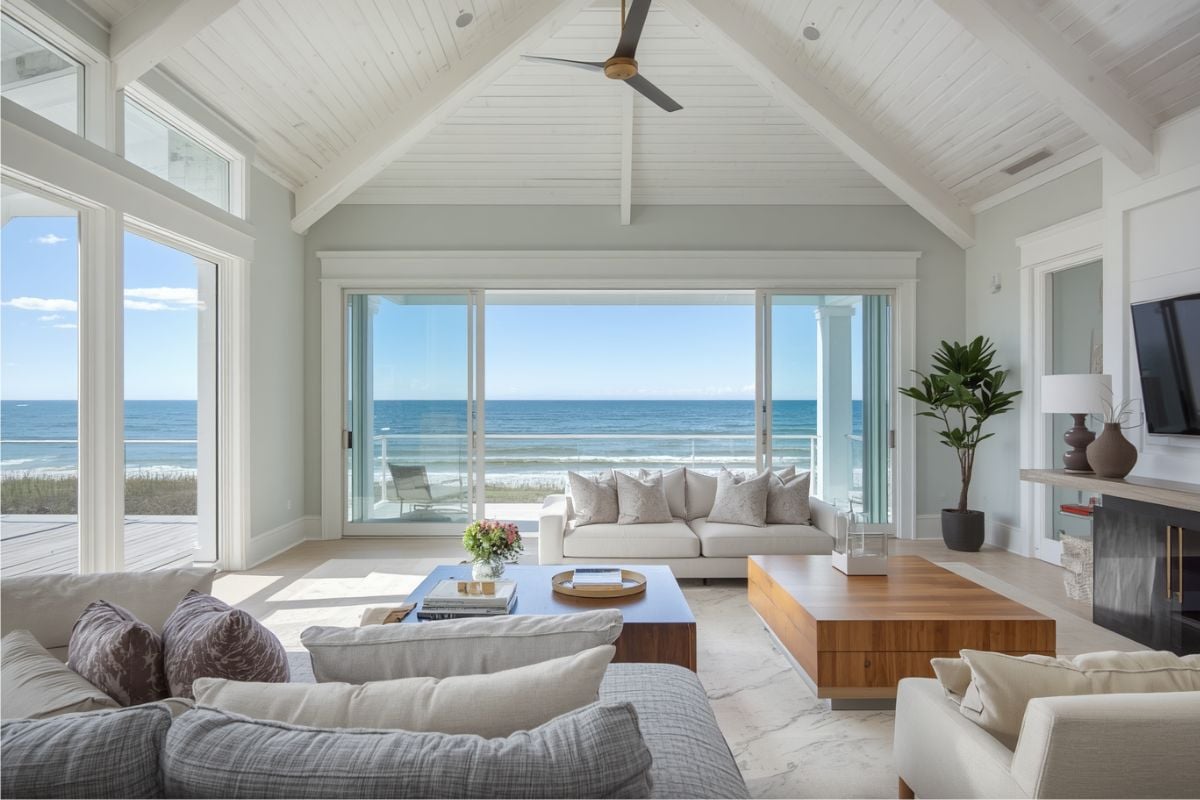
Hilton Head Island is a dream destination for many. Between the salty ocean air, the coastal landscaping and decor, and the friendly locals, it’s no surprise that more people are exploring purchasing a beachfront home on the island.
While Hilton Head beach access is a major perk of buying on the island, it comes with some important considerations. Take a closer look at some common misconceptions and exactly what comes along with Hilton Head beach access when you buy an oceanfront property.
What Buyers Often Miss Before Buying an Oceanfront Home
The allure of easy beach access in Hilton Head makes perfect sense. However, owning a beachfront property comes with a few financial realities you’ll want to prepare for.
Beachfront Properties Cost More to Own and Maintain
Buyers often underestimate the higher costs associated with oceanfront homes. Because of the climate, these properties tend to require more costly insurance. Beachfront homes often need extensive maintenance to meet local and insurance regulations as well.
Ongoing Fees Drive Up the Long-Term Cost
HOA and property owners association (POA) fees are usually higher for homes with Hilton Head beach access. For condos, monthly fees known as “regime fees” may include the cost of property insurance and maintenance, but not always.
Considerations like these can turn your dream purchase into a source of stress if you aren’t prepared. It helps to have an idea of the different fees and tax factors you may encounter beforehand.
Buyers who are still early in the process may also want to review how to buy beachfront property for a broader look at financing, inspections, insurance, and due diligence. It can also help to compare oceanfront vs. lagoon-view properties on Hilton Head Island, since the trade-offs in price, views, maintenance, and rental appeal can be significant. And for owners thinking ahead to resale, tips for successfully staging and selling your beachfront asset can help protect the property’s appeal when it eventually comes time to list.
The 4% vs. 6% Assessment Gap: What to Expect From Your Beachfront Home Tax Bill
In South Carolina, your property’s tax ratio depends on how the property is used. As a result, if your beachfront home in Hilton Head is a secondary residence or rental property, you may end up paying more, while you would pay less for a primary residence. Here’s what to expect.
Full-Time Residents
Full-time Hilton Head residents have a 4% assessment rate. This means that if your beach property is your full-time place of living, you generally fall into the 4% category. Many full-time residents are also exempt from school operating taxes, which makes up the largest portion of the property tax bill.
Second Homes and Rental Properties
If your oceanfront property is your summer home, one of many properties you own and live in, or an investment property (rental), you usually fall into the 6% category. Secondary and investment properties are assessed at 6% in South Carolina. You should expect to pay the full school operating tax as well.
Why the Current Owner’s Property Taxes Aren’t a Good Benchmark
Many buyers in Hilton Head fall into the “point of sale” trap. They mistakenly think that the current owner’s tax information will give them a heads up on their own upcoming bill. However, this doesn’t give you an accurate picture.
The current owner’s property taxes depend on how they use the home. If they’re a full-time resident but you’re investing in a rental property or vacation home, your tax bill can jump significantly.
Taxes are always reassessed upon purchase of a new home. Hilton Head beach access doesn’t cost the same for every owner, so keep this in mind before making an offer.
POA Fees vs. Regime Fees: Key Differences to Know
POA fees are different from regime fees. POA fees typically apply to stand-alone homes, while regime fees are associated with condos. As a new property owner, it’s important to understand which fee type you may be subject to. Beyond understanding what each fee covers, buyers should also consider how POA and regime fees influence pricing on HHI, since recurring ownership costs can affect affordability, buyer demand, and resale value.
POA Fees for Stand-Alone Homes
If you own a single-family home or stand-alone townhouse on the island, you can expect POA fees. POA fees help keep the community’s shared spaces in good working order. These fees often cover bigger expenses, like road maintenance and the landscaping for shared community areas, like parks and pools.
POA fees are normally charged annually or quarterly, not monthly. The cost varies depending on the community you live in and its specific features. For example, a community with a golf course or nature reserve will likely have higher POA fees than one that doesn’t.
Vacation rental owners must also pay POA fees, as they still own the property.
Regime Fees for Condominiums
Regime fees only apply to condominiums, not stand-alone townhomes or single-family residences. Think of regime fees as maintenance fees for the condo. They cover expenses like the following:
Landscaping
Amenity upkeep
Repairs
Pest control
You usually pay regime fees monthly.
By splitting maintenance, amenity, and upkeep costs among all the different condo owners in the community, everyone contributes without having to pay in excess for unexpected repairs or regular maintenance.
What Investors and Vacation Rental Owners Should Know
Rentals with points of private beach access in Hilton Head can be extremely lucrative, which is why many investors want to set up shop in the area. Each community or neighborhood on Hilton Head Island has its own regulations, rules, and covenants that you must become familiar with.
Some Hilton Head communities ban short-term rentals entirely. Consider reaching out to HOAs and community boards in your desired area to find out whether you can invest there and what fees you’ll owe.
Get Skilled Guidance on Hilton Head’s Beachfront Properties
A home with access to the beach can serve as your personal getaway or an ideal investment property. In either scenario, it’s essential to know what to expect in terms of fees and other details for the smoothest experience.
The best way to ensure you’re prepared for the process is with the assistance of a lifelong Hilton Head Island native. John Campbell can help you navigate Hilton Head real estate with expert guidance and local insights.
FAQs
Does Hilton Head Have Public Beach Access?
Yes, Hilton Head Island public beach access spans to the high-water mark in almost all places. Some access points are private and reserved for residents of specific communities. However, the beach itself is all public.
Is Owning a Beach Home Worth It?
For many individuals, families, and investors, owning a beachfront property is well worth the high costs. Living near the water is peaceful and gives you a private getaway you can call your own. For vacation rental owners, Hilton Head beach access can be a wise investment.
What Are the Risks of Buying Beachfront Property?
Coastal weather conditions, like storms and hurricanes, can put your oceanfront property at risk. You also generally have to pay higher insurance premiums, and these properties often need more maintenance to combat the effects of saltwater exposure.