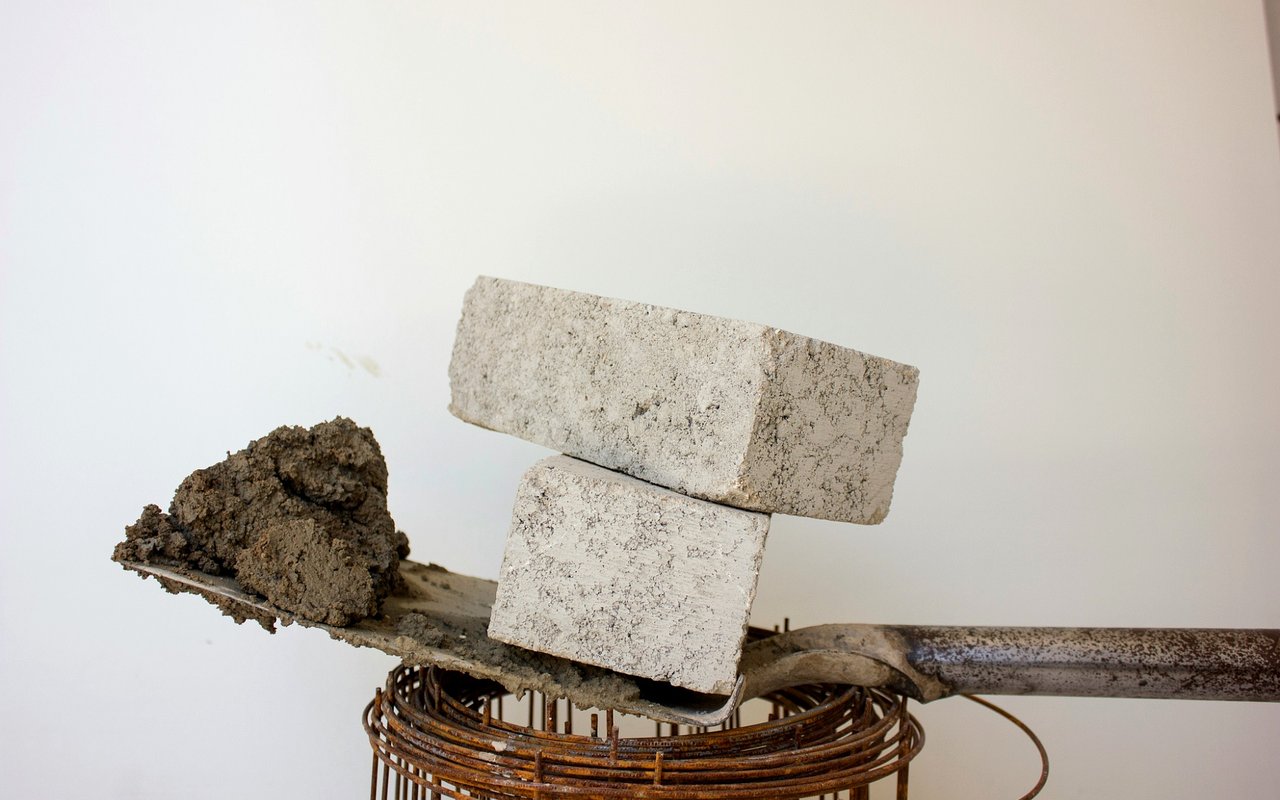
In Hilton Head Island, SC, where homes are built to capture coastal charm and luxury living, maintaining the structural integrity of a property is vital. At the core of that integrity is the foundation—arguably the most important part of any home. While it may be out of sight, it should never be out of mind. Understanding how to maintain house foundation health is key to preserving property value, ensuring safety, and preventing costly repairs.
The foundation supports the entire structure of the home and bears the weight of every wall, floor, and feature. In a region like Hilton Head Island, where the soil composition, humidity levels, and proximity to water can pose challenges, homeowners must be especially vigilant. Regular inspections and preventative maintenance tailored to local conditions can help prevent cracks, settling, or moisture intrusion. For both primary residences and vacation homes, the long-term durability of the foundation directly influences a home’s market appeal and livability.
Understand the Impact of Coastal Climate on Foundations
Hilton Head Island’s unique environment—characterized by sandy soils, high groundwater levels, and humid summers—presents specific considerations for foundation care. Unlike areas with clay-heavy soils prone to dramatic expansion and contraction, Hilton Head homes may face issues from water accumulation, erosion, and salt exposure. These conditions can lead to uneven settling, foundation shifts, or moisture damage if not properly managed.
One of the best strategies for how to maintain house foundation stability in this climate is to manage water flow around the home. Ensuring proper drainage, grading, and moisture control is critical to preventing problems before they develop. Foundations must also be protected from salt air and humidity, which can accelerate the deterioration of exposed concrete and steel reinforcements over time.
One of the best strategies for how to maintain house foundation stability in this climate is to manage water flow around the home. Ensuring proper drainage, grading, and moisture control is critical to preventing problems before they develop. Foundations must also be protected from salt air and humidity, which can accelerate the deterioration of exposed concrete and steel reinforcements over time.
Inspect for Early Warning Signs
Regular visual inspections help identify early signs of foundation distress. Homeowners should look for cracks in foundation walls, uneven floors, doors or windows that stick, and gaps around window frames or exterior trim. Even hairline cracks in drywall or floor tile can indicate movement beneath the surface.
In coastal homes, where shifting sands and stormwater can affect soil stability, these issues can escalate quickly. Understanding how to maintain house foundation includes not only monitoring visible signs but also scheduling professional inspections every few years—particularly after major weather events or flooding.
A qualified structural engineer or foundation specialist can assess whether cracks are cosmetic or structural, and whether settling is normal or indicative of a deeper issue. Catching these problems early typically results in simpler and less expensive solutions.
In coastal homes, where shifting sands and stormwater can affect soil stability, these issues can escalate quickly. Understanding how to maintain house foundation includes not only monitoring visible signs but also scheduling professional inspections every few years—particularly after major weather events or flooding.
A qualified structural engineer or foundation specialist can assess whether cracks are cosmetic or structural, and whether settling is normal or indicative of a deeper issue. Catching these problems early typically results in simpler and less expensive solutions.
Manage Drainage and Prevent Water Intrusion
One of the leading causes of foundation issues is excess water around the perimeter of a home. In Hilton Head Island, where rainfall can be heavy and sudden, controlling water flow is an essential part of protecting your investment. Gutters and downspouts should be regularly cleaned and extended at least several feet away from the home to prevent water from pooling near the foundation.
Landscaping should also slope away from the house to encourage proper drainage. If necessary, homeowners can install French drains or sump pumps to redirect water from vulnerable areas. In regions with high groundwater tables, like Hilton Head, crawl spaces and basements may require vapor barriers or dehumidification systems to keep moisture levels under control.
Learning how to maintain house foundation also means staying proactive about seasonal maintenance. After storms or heavy rains, it's important to walk the property, check for pooling water, and ensure that drainage systems are functioning correctly.
Landscaping should also slope away from the house to encourage proper drainage. If necessary, homeowners can install French drains or sump pumps to redirect water from vulnerable areas. In regions with high groundwater tables, like Hilton Head, crawl spaces and basements may require vapor barriers or dehumidification systems to keep moisture levels under control.
Learning how to maintain house foundation also means staying proactive about seasonal maintenance. After storms or heavy rains, it's important to walk the property, check for pooling water, and ensure that drainage systems are functioning correctly.
Control Soil Moisture Around the Foundation
While Hilton Head’s sandy soil drains quickly, variations in moisture content can still affect the stability of a foundation. Consistent soil moisture levels help prevent uneven settling or shifting. During dry periods, irrigating the soil around the foundation can prevent it from becoming too dry and pulling away from the structure. However, overwatering or improper irrigation systems can have the opposite effect by causing soil erosion or water saturation.
Homeowners should avoid planting large trees or shrubs with aggressive root systems near the foundation. Roots can draw moisture from the soil or even grow into foundation walls, leading to cracking or pressure damage. Keeping vegetation trimmed and choosing native plants with shallow root systems helps mitigate these risks.
Homeowners should avoid planting large trees or shrubs with aggressive root systems near the foundation. Roots can draw moisture from the soil or even grow into foundation walls, leading to cracking or pressure damage. Keeping vegetation trimmed and choosing native plants with shallow root systems helps mitigate these risks.
Maintain Crawl Spaces and Slab Foundations
Homes in Hilton Head Island may be built on slab foundations or raised with crawl spaces, depending on location and elevation. Each foundation type requires specific care. Slab foundations should be regularly inspected for surface cracks and signs of heaving. Because plumbing lines are often embedded in or run beneath the slab, leaks can be particularly damaging and should be addressed immediately.
Crawl spaces require routine attention to ensure proper ventilation and dryness. A well-maintained crawl space will have a vapor barrier, secure insulation, and no standing water. High humidity can lead to wood rot, mold, and structural weakening, so homeowners should consider using a crawl space dehumidifier or encapsulation system if moisture is a persistent issue.
Knowing how to maintain house foundation includes understanding the type of foundation your home has and tailoring care accordingly.
Crawl spaces require routine attention to ensure proper ventilation and dryness. A well-maintained crawl space will have a vapor barrier, secure insulation, and no standing water. High humidity can lead to wood rot, mold, and structural weakening, so homeowners should consider using a crawl space dehumidifier or encapsulation system if moisture is a persistent issue.
Knowing how to maintain house foundation includes understanding the type of foundation your home has and tailoring care accordingly.
Avoid Heavy Loads Near Foundation Edges
Driveways, patios, and additions placed too close to the edge of the foundation can contribute to structural stress. Excessive weight from poorly planned hardscaping or storage sheds may increase soil compaction and settlement. Before undertaking any exterior renovations, homeowners should consult a builder or structural expert to ensure that weight loads won’t affect foundation integrity.
Similarly, large water features, pools, or retaining walls should be properly engineered to avoid redirecting water or pressure toward the home’s base. Thoughtful site planning for homes in places like Rose Dhu or Windmill Harbour can go a long way in preserving the strength and stability of a foundation.
Similarly, large water features, pools, or retaining walls should be properly engineered to avoid redirecting water or pressure toward the home’s base. Thoughtful site planning for homes in places like Rose Dhu or Windmill Harbour can go a long way in preserving the strength and stability of a foundation.
Schedule Routine Professional Assessments
Even when no problems are visible, scheduling a professional assessment every few years is a smart investment in the long-term health of a home. Inspectors can identify small shifts, water intrusion risks, and soil concerns that may not be apparent to the untrained eye. For homes used seasonally or as short-term rentals, these inspections are especially important, as small issues can worsen when left unattended.
Hiring professionals with experience in Hilton Head Island’s environmental and structural conditions ensures that inspections are tailored to local challenges. A trusted real estate advisor can also recommend qualified contractors and service providers who specialize in foundation care.
Hiring professionals with experience in Hilton Head Island’s environmental and structural conditions ensures that inspections are tailored to local challenges. A trusted real estate advisor can also recommend qualified contractors and service providers who specialize in foundation care.
Work with Local Experts Who Understand Foundation Preservation
In a market like Hilton Head Island, where property values are strong and buyers expect high standards, foundation maintenance is essential. Homes with well-documented upkeep and no signs of settlement command higher prices and spend less time on the market. Whether you're planning to sell soon or hold onto your home for years to come, proactive care ensures lasting stability and peace of mind.
Understanding how to maintain house foundation is not just about avoiding problems—it's about preserving one of your home’s most valuable assets.
Understanding how to maintain house foundation is not just about avoiding problems—it's about preserving one of your home’s most valuable assets.
Contact John Campbell for More Guidance on How to Maintain House Foundation Health
If you’re a Hilton Head Island homeowner looking to protect your property’s long-term value, contact John Campbell today. With deep expertise in the local market and trusted connections to inspectors and foundation specialists, John offers homeowners tailored advice on how to maintain house foundation integrity. Whether buying, selling, or maintaining your property, John provides the professional insight you need to make informed decisions every step of the way.