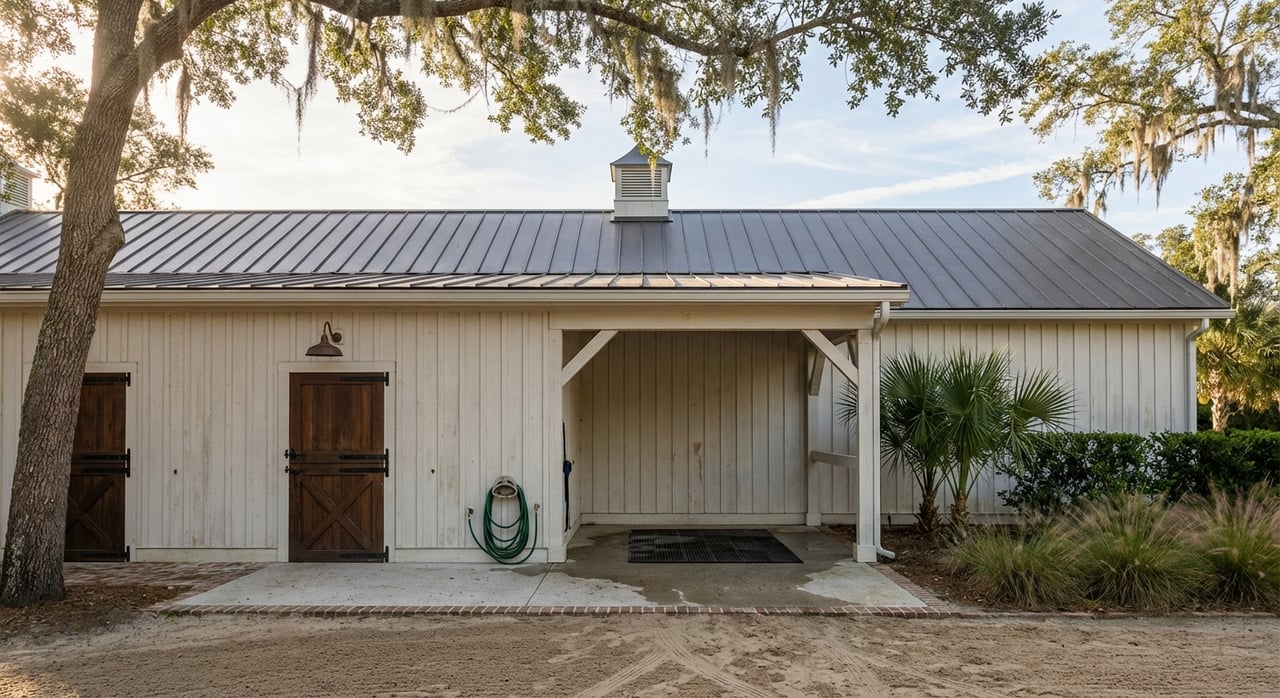
If you’re bringing horses to the Lowcountry, choosing the right community shapes your daily routine as much as your home. You might want long, scenic trail rides, a full-service training barn, or a low-maintenance setup with flexible boarding. This guide breaks down how Oldfield, Rose Dhu, and Spring Island compare for riders so you can match your lifestyle, budget, and barn needs. Let’s dive in.
Quick snapshot: best fit at a glance
- Spring Island: Conservation-first private island with a robust club barn and 30+ miles of private trails. Ideal if you crave long, quiet rides and substantial pasture. Explore the equestrian program.
- Rose Dhu (Bluffton): Estate-lot subdivision with an on-site, privately operated equestrian center built for training and shows. Great if you want acreage for a private barn plus access to a large, professional facility. See the facility layout.
- Oldfield (Okatie): Amenity-rich club community on the Okatie River with a smaller community barn, trails, golf, and outfitters. Best if you want horses in the mix without managing a full private farm. View Oldfield lifestyle and equestrian.
Oldfield: club life plus a community barn
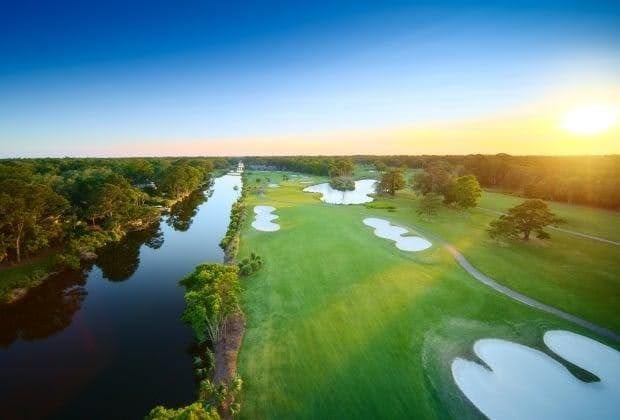
Oldfield sits along the Okatie River and spans about 860 acres, pairing golf and outfitters with an approachable equestrian program. You get the feel of a classic Lowcountry club community with live oaks, marsh views, and a full calendar of social amenities. For many riders, the appeal is balance and convenience rather than a show-focused scene. For acreage context, see a community overview on SC Golf Communities.
Oldfield’s community equestrian center offers a 12-stall barn, an outdoor ring, a jump course, a round pen, and grass paddocks, along with lessons and resident-oriented boarding. It is set up as a community barn rather than a large competition facility, so the vibe is friendly, family-forward, and easy to plug into. Learn more on the Oldfield lifestyle page.
Trails wind through oak-lined corridors and connect to the Outfitters Center for a broader outdoor routine that can include kayaking and fishing. If you like the idea of hopping on for a relaxed hack, having your horse well cared for, and then meeting friends at the clubhouse, Oldfield delivers that rhythm.
Rose Dhu: estate lots and a show-capable center
Rose Dhu Creek Plantation in Bluffton is known for its estate-lot pattern and equestrian identity. Many homesites are large enough for a private barn and paddocks, subject to HOA and Architectural Review Board rules. You can design your own barn life at home, then ride over to the community’s privately operated equestrian center for lessons, clinics, or boarding.
The Rose Dhu Creek Equestrian Center sits on roughly 16 acres and is built for capacity and training. It lists 44 stalls, 22 paddocks, both covered and outdoor riding spaces, and several miles of internal trails. The program supports lessons and boarding with a focus that suits hunter-jumper and show pathways. Review the layout and specs on the facility page.
If you want acreage, privacy, and a serious facility to sharpen your program, Rose Dhu is a strong candidate. Just remember that the center is privately owned and operated, so membership, boarding, and training services are opt-in and subject to the barn’s terms. Confirm availability and policies directly with the operator.
Spring Island: low-density, nature-first riding
Spring Island offers a different pace. It is a private island community with a conservation mission, very low density, and a deep connection to the land. Riders come for the scale, scenery, and a well-resourced club barn.
The equestrian center includes 24 stalls, 16 paddocks, nearly 29.5 acres of irrigated coastal Bermuda and Bahia grazing, a 100' x 200' flatwork arena, a large sand arena, a 60' round pen, and more than 30 miles of maintained private trails. Full-care boarding, lessons, and even club horses for members and guests are part of the program. Get details on Spring Island’s equestrian amenities.
If you value long, meditative rides under oak canopies and along marsh edges, this is your landscape. The community’s lifestyle is as much about stewardship and quiet as it is about riding, which appeals to buyers who want nature out the back door and club support without the bustle of a show barn.
Trails and terrain: how they ride
- Spring Island: You get long, connected routes through salt marsh, oak forests, and pine savannas, ideal for conditioning and scenic hacking. The network is private to members and meticulously maintained. See trail context and amenities.
- Rose Dhu: Trails loop through wooded and lagoon areas with shorter connectors, good for hacking and cooldowns on training days. The pattern complements regular ring work and lessons at the center. Check the facility overview.
- Oldfield: Multi-use community trails are friendly for family rides and training hacks, tying into the broader club lifestyle and riverfront activities. Learn more about the trail system on Oldfield’s lifestyle page.
Boarding, lessons, and daily routine
- Spring Island: Full-care boarding with instruction across disciplines and optional exercise packages. The program is robust but geared toward quality instruction and trail-forward riding rather than a show circuit. Explore services.
- Rose Dhu: A full-service, privately run training center with daily lessons and competitive pathways, especially for hunter-jumper and equitation riders. Expect a professional barn routine with structured programs. Review the facility.
- Oldfield: Community-oriented lessons, summer camps, trail rides, and resident boarding that suit beginners to intermediate riders and families. The emphasis is simple, well-run care and accessibility. See Oldfield equestrian.
Lot patterns and ownership models
- Spring Island: Very low density across thousands of acres, with large parcels and heavy preserve areas. The equestrian experience is anchored by the club barn and private trail network.
- Rose Dhu: Estate lots often range from 1 to 5 acres, which allows for private barns and paddocks if approved by the HOA and ARB. The mix of at-home barn life plus a big training facility nearby is a hallmark.
- Oldfield: A mix of cottages and larger homesites in a club environment. The model favors on-site community boarding over managing a private farm at home.
Before you buy, request the Covenants, Conditions & Restrictions and the ARB guidelines for any lot that may host a barn, ring, or equestrian fencing. Clarify rules around setbacks, fencing style, manure management, and lighting.
Practical checklist for horse owners
Use this as your due-diligence guide when comparing Oldfield, Rose Dhu, and Spring Island:
- Barn capacity and waitlists
- Confirm current stall and paddock counts and whether there’s a boarding waitlist. Spring Island and Rose Dhu publish specs online. Start with Spring Island’s equestrian page and Rose Dhu’s facility details, then call directly.
- Private-barn approvals
- Ask for CC&Rs and ARB guidelines to understand what you can build, where you can place a ring, and what fencing is allowed.
- Turnout and pasture
- If you plan for multiple horses, verify usable turnout and irrigated pasture options. Spring Island publishes grazing acreage, which is helpful for planning. See Spring Island specifications.
- Care level and services
- Decide if you want full-care boarding or a mix of self-care. Confirm blanketing, meds, turnout schedules, trainer availability, and farrier-vet access with each barn.
- Trail access and guest policies
- Ask whether trails are members-only and whether guest riders are allowed. Clarify if day-use fees or release forms are required.
- Flood zones and insurance
- Verify FEMA flood maps, elevation, and any required flood insurance for barns, fencing, and storage buildings.
- Market and costs
- Prices vary by home size, lot, and proximity to amenities. Request a current MLS snapshot and each barn’s boarding rate sheet to understand total ownership costs at the time you’re shopping.
Lifestyle tradeoffs to weigh
- You want a show-forward program: Rose Dhu’s center is purpose-built for training and competition-minded riders.
- You want long, quiet trail miles and rich habitat: Spring Island’s protected landscape and extensive trail network stand out.
- You want a broad club life with simple horse logistics: Oldfield’s community barn model plus golf, river, and social programming offers balance.
For buyers who are also thinking about the broader setting, reasons to move to the suburbs can help frame the appeal of more space, privacy, outdoor access, and a quieter day-to-day routine.
Which community is right for you?
If your days revolve around arena work and frequent lessons, Rose Dhu’s training infrastructure could be the best match. If you picture long, unhurried rides under sprawling live oaks, Spring Island’s scale and conservation focus deliver that experience. If you want a flexible, low-maintenance plan that keeps you close to golf and the Okatie River, Oldfield fits well.
Whatever you choose, go beyond marketing pages. Walk the barns, ride the trails, speak with barn managers about availability, and review the HOA and ARB documents before you write an offer. That groundwork ensures your horses and your household thrive from day one.
Ready to compare on-the-ground options, get a current MLS snapshot, and tour barns? Connect with John Campbell for local guidance, private showings, and to Get Your Instant Home Valuation.
FAQs
What equestrian amenities does Oldfield offer for residents?
- Oldfield has a 12-stall community barn with an outdoor ring, jump course, round pen, paddocks, plus lessons and resident-oriented boarding. See the Oldfield lifestyle page.
How extensive are Spring Island’s riding trails?
- Spring Island maintains more than 30 miles of private trails through oak, marsh, and pine habitats, backed by a full-care club barn. Details are on the equestrian amenities page.
Can you build a private barn in Rose Dhu?
- Many Rose Dhu homesites are estate-sized, and private barns are common, but all plans must meet HOA and ARB requirements, so request and review those documents early.
Is the Rose Dhu equestrian center open to non-owners?
- The equestrian center is privately operated and offers opt-in services, so membership and boarding may be available to non-owners, subject to the barn’s current policies.
What should I verify about flood zones before building a barn?
- Check FEMA flood maps, site elevation, and insurer requirements for barns, fencing, and storage buildings, especially near tidal marsh or wetlands.
How do boarding services differ among the three communities?
- Spring Island offers full-care boarding with club support, Rose Dhu runs a training-forward show facility, and Oldfield focuses on a community barn with lessons and resident boarding.