Trying to choose between a Cottage and a Village Home in Palmetto Bluff? You are not alone. Both options deliver Lowcountry charm, access to top amenities, and strong design standards, yet they offer very different day-to-day experiences. In this guide, you will learn how walkability, privacy, fees, rules, insurance, and resale potential differ so you can buy with confidence. Let’s dive in.
Palmetto Bluff at a glance
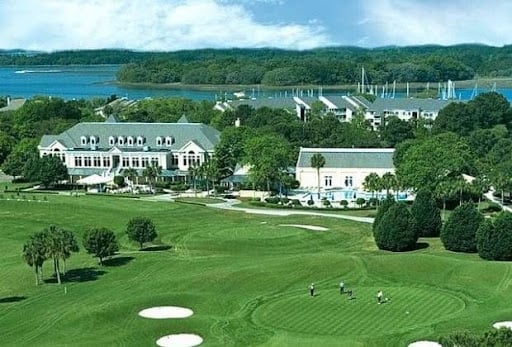
Palmetto Bluff is a master-planned private community on the May River in Beaufort County. It blends neighborhoods, resort services, dining, trails, and preserved open space. Buyers include full-time residents, second-home owners, and some investors who must follow community rental rules. Architectural controls keep the look cohesive, which helps protect long-term value.
What counts as a Cottage
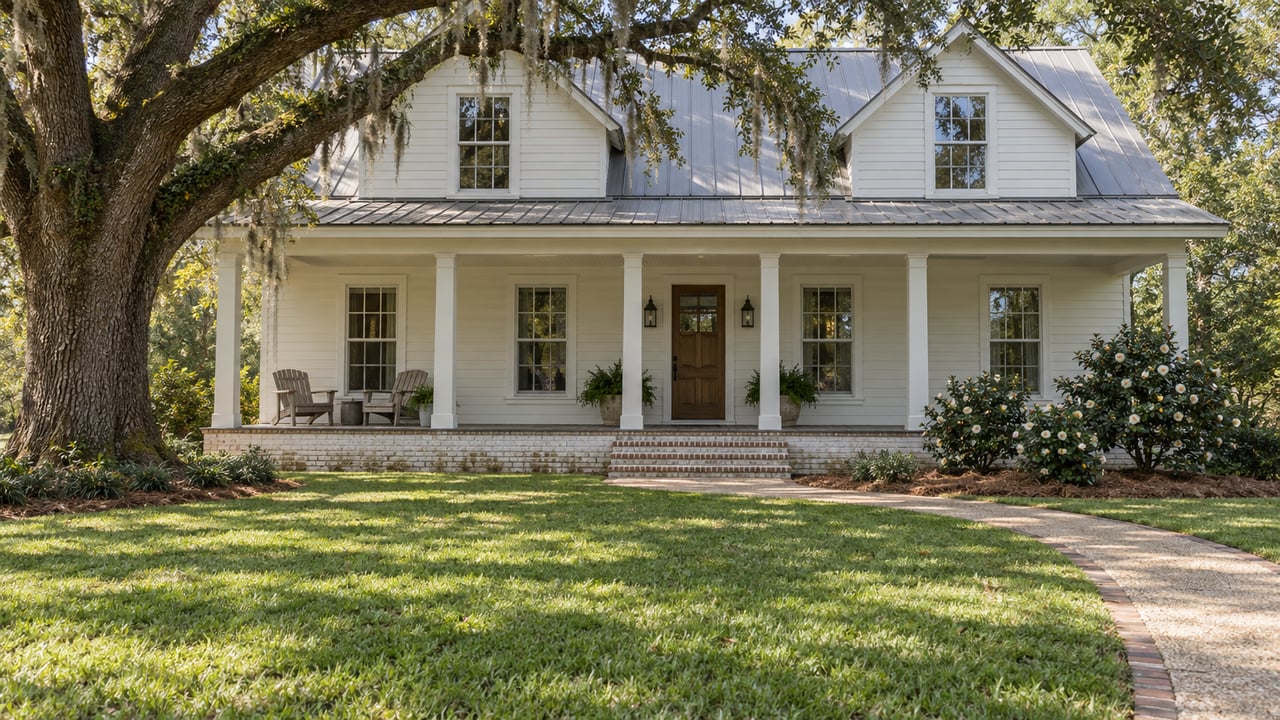
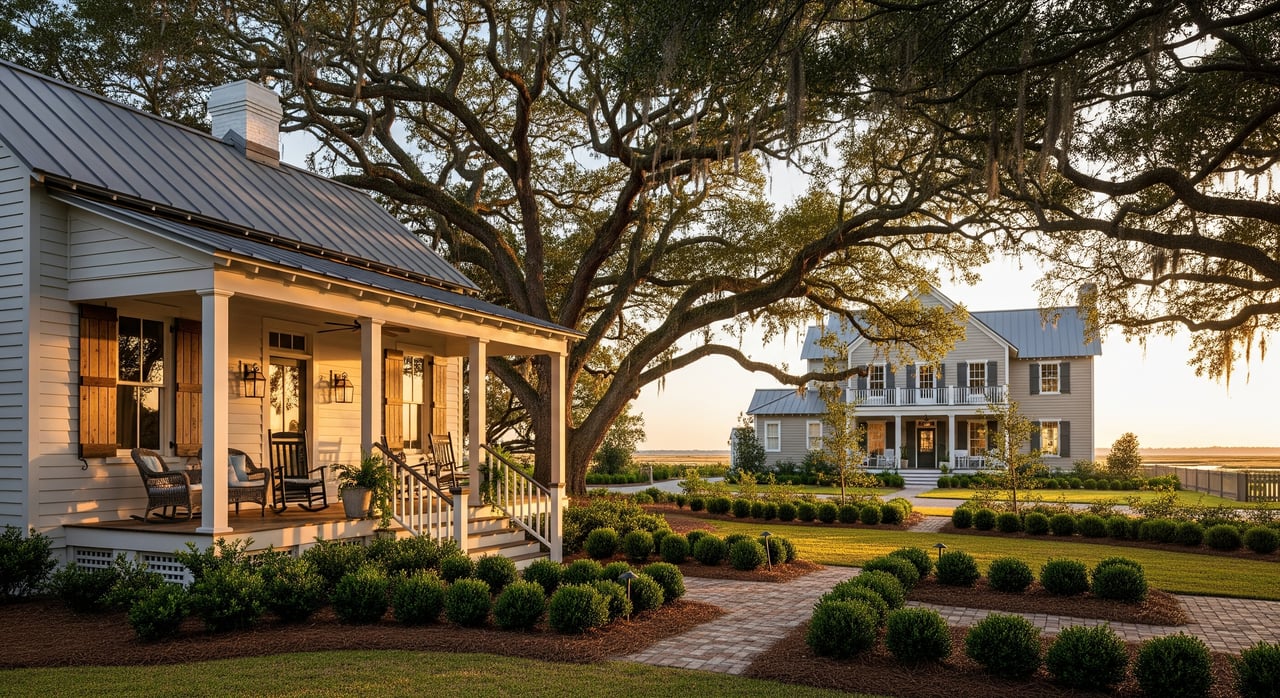
Cottages are typically modest-sized detached homes with classic Lowcountry styling. You will see raised foundations, generous porches, and simple massing that fits the setting. Many are on smaller lots or in clusters, which can keep exterior upkeep simpler. Floor plans often include single-story living or one level plus a loft.
Cottages tend to appeal to downsizers and second-home buyers. If you want a compact footprint, lower maintenance, and quiet streets near trails or green space, a Cottage can be a great fit. Some clusters sit close to amenities, while others feel tucked away.
What counts as a Village Home
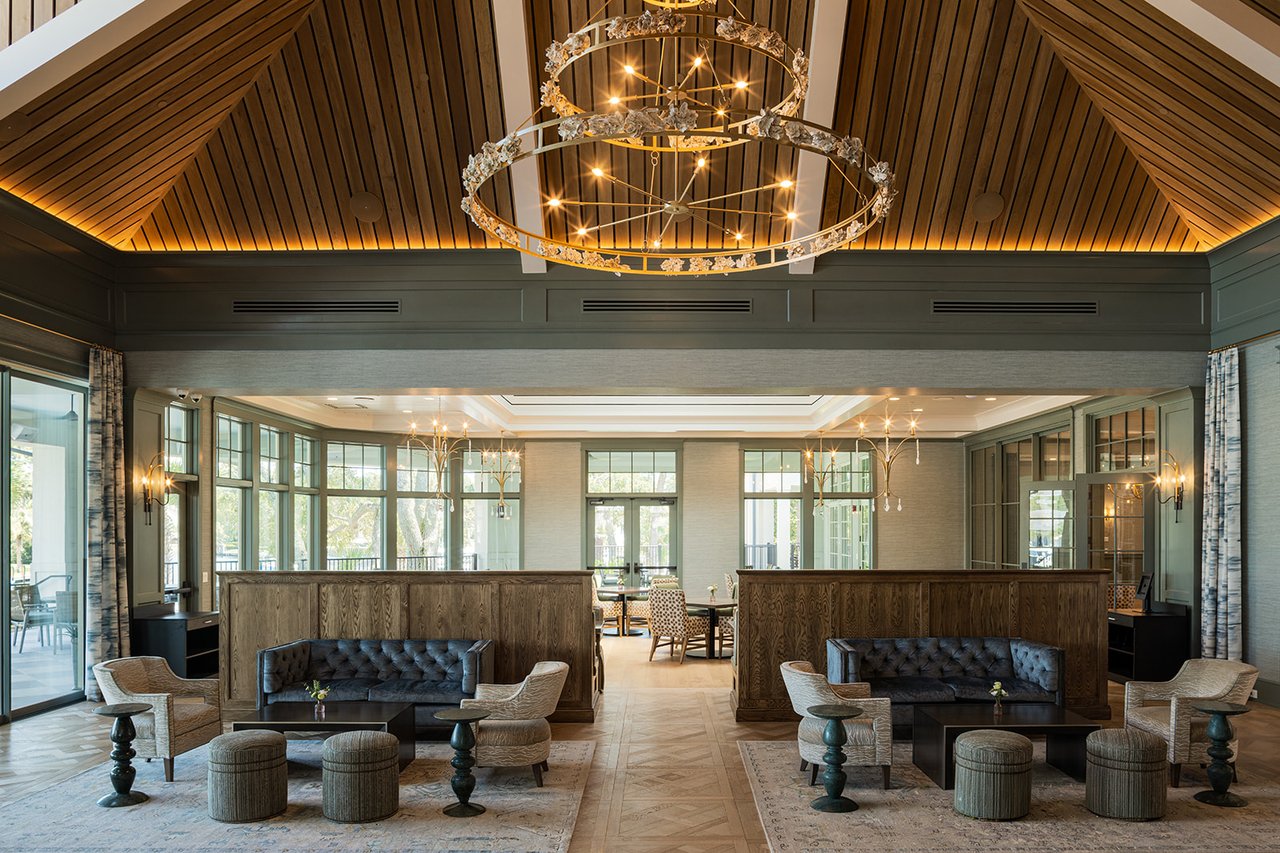
Village Homes sit in or near the Village core, close to shops, restaurants, the Inn, and riverfront activities. You get a walkable lifestyle and quick access to programmed community events. These homes are often larger, with multi-level layouts and more finished square footage.
A Village Home suits buyers who want convenience and social energy. If you plan to dine out often, enjoy the riverfront, and prefer a true village feel, this product will likely match your routine. Street frontage and pedestrian access are part of the design intent.
Side-by-side comparison
Location and walkability
- Cottages: Usually in quieter pockets; some clusters sit near amenities.
- Village Homes: Typically closest to the Village center and riverfront; strong walkability.
Size and layout
- Cottages: Compact, single-story or one-plus-loft plans.
- Village Homes: Larger, multi-level layouts with more living space.
Lot and privacy
- Cottages: Smaller lots, neighborhood intimacy, and a calm setting.
- Village Homes: Urban-style lots with deliberate street presence and people flow.
Maintenance and services
- Cottages: Often designed for lower maintenance; some neighborhoods may offer exterior programs. Verify details.
- Village Homes: Maintenance varies by neighborhood; confirm if any exterior services are included.
Lifestyle vibe
- Cottages: Quiet, residential, and close to nature trails.
- Village Homes: Energetic, social, and convenient to dining and events.
Typical buyer goals
- Cottages: Simplicity, privacy, and a smaller footprint.
- Village Homes: Walkability, convenience, and access to community programming.
Lifestyle and value drivers
Walkability to the Village core
Village Homes usually command a premium for proximity to restaurants, shops, and the Inn. If you value frequent outings and programmed events, the walkable access is hard to beat. Cottages can still be close, but many are intentionally placed for a quieter rhythm.
Water access and views
Riverfront, marsh, or near-water placements drive value across both product types. Even if you are not on the water, nearby access points can support demand and enjoyment. Lot orientation and view corridors are major factors in pricing.
Privacy vs. social energy
Cottages typically deliver a calmer, residential feel with a low-maintenance focus. Village Homes put you in the heart of the action. Decide if your ideal day starts with a quiet porch coffee or a quick stroll to breakfast and events.
The home’s design can also shape how each option feels day to day. Buyers comparing properties may want to explore luxury home design trends for 2026 for ideas on layouts, materials, and finishes that are influencing higher-end homes. For interiors, color science and choosing the perfect paint tones for every room can help you think about how light, room orientation, and overall style affect the atmosphere of a Cottage or Village Home.
Costs, fees, and rules that matter
HOA and maintenance
Palmetto Bluff has community governance and neighborhood-level variations in fees. Dues support common areas, amenities, and design standard enforcement. Some neighborhoods may offer exterior maintenance programs for an added fee. Always verify current fee schedules for your specific home type and location.
Design review and renovations
A strong Architectural Review Board oversees exteriors, landscaping, colors, and fences. If you plan changes, you will need approvals. Interior renovations may have fewer restrictions, but confirm rules and processes in the CC&Rs and ARB guidelines.
Rentals and use
Short-term rental policies vary by neighborhood and product type. Some areas may limit frequency or require registration and specific management arrangements. If you intend to rent, confirm current rules before you buy and evaluate how they affect your plan.
Insurance and flood zones
Palmetto Bluff sits in a coastal river environment. Many properties fall within FEMA-designated flood zones, and lenders may require flood insurance. Premiums depend on elevation, construction, and site specifics. Review the flood zone, elevation certificate, and any prior claims for your address.
Utilities and services
Utility setups can differ by neighborhood. Confirm whether sewer or septic serves the home, and review water, trash, and any community service arrangements. Ask if the neighborhood has unique maintenance responsibilities or special assessments.
Resale and market dynamics
Who buys what and why
Demand comes from retirees, second-home owners, lifestyle buyers, and some investors who must work within rental rules. Village Homes are popular with buyers who prioritize walkability and event access. Cottages attract buyers seeking lower maintenance and a quieter setting.
Liquidity and pricing drivers
Homes close to the Village core and water often carry premiums and can move faster. Cottages can sell well to downsizers and second-home buyers, especially if the location, condition, and orientation are strong. Upgrades, permitted renovations, and lot context significantly shape resale.
Preparing to sell
Gather ARB approvals for any exterior changes, maintenance records, and recent service receipts. Address curb appeal, porches, and landscaping within community standards. Price against recent comps by product type and location, and highlight the specific lifestyle benefits of your home’s placement.
Buyer and seller checklists
Buyer due diligence
- Obtain HOA and neighborhood documents, budgets, rules, and recent meeting minutes.
- Review ARB guidelines and confirm any open compliance items.
- Verify current rental policy and any registration requirements.
- Pull flood zone data, elevation certificate, and insurance quotes, including wind coverage.
- Check Beaufort County tax assessments and ask about special assessments.
- Confirm utility connections and any neighborhood maintenance responsibilities.
Seller prep list
- Compile ARB approvals, permits, and warranties for past work.
- Complete minor repairs and refresh landscaping within guidelines.
- Pre-order HOA docs and clarify fees, assessments, and rental rules for buyers.
- Consider a pre-listing inspection and insurance review for transparency.
- Stage porches and outdoor spaces to showcase Lowcountry living.
Which is right for you
Choose a Cottage if you want a lower-maintenance footprint, a quieter neighborhood, and easy access to trails and open space. Choose a Village Home if your day revolves around walking to restaurants, riverfront activities, and community events. If you are on the fence, tour both settings at different times of day to feel the pace and noise level.
Work with a local advisor
Every Palmetto Bluff address has unique rules, fees, views, and insurance considerations. You deserve a clear, stress-free process that aligns with your lifestyle and financial goals. For tailored guidance, market comps, and a plan that fits your timeline, connect with John Campbell. Get Your Instant Home Valuation and put a local expert on your side.
FAQs
What is the main difference between Cottages and Village Homes in Palmetto Bluff?
- Cottages emphasize a compact footprint and quieter neighborhoods, while Village Homes focus on walkability and proximity to the Village core and riverfront amenities.
Are Village Homes typically more expensive than Cottages in Palmetto Bluff?
- Prices vary by location, water proximity, size, and condition, but homes closer to the Village center and riverfront often carry premiums.
Can I do short-term rentals with a Palmetto Bluff Cottage or Village Home?
- Rental policies differ by neighborhood and product type, so verify current rules, required registrations, and any minimum stay periods before assuming rental income.
Do I need flood insurance for a Palmetto Bluff home?
- Many properties are in FEMA-designated flood zones, and lenders may require flood insurance; obtain a flood-zone determination, elevation certificate, and quotes for the specific address.
How strict is the Architectural Review Board in Palmetto Bluff?
- The ARB maintains strong exterior standards for consistency and value; you should secure approvals for exterior changes and confirm compliance for past work.
What ongoing ownership costs should I expect besides a mortgage in Palmetto Bluff?
- Plan for HOA dues, possible neighborhood fees, homeowners and wind insurance, potential flood insurance, utilities, and any special assessments.