"It's one of those places you can afford or can't," a golf industry writer once said of Long Cove Club. The line has aged into something more complicated than a compliment. Long Cove's own 2026 fee schedule shows a club that just raised its entry price by 50 percent in about a year and still needed to bill every property owner an extra $7,866 for clubhouse work. Affording Long Cove, it turns out, is not a one-time decision.
Anyone researching the community right now will hit a wall of conflicting numbers before they ever tour a home. Several established Hilton Head real estate sites, last updated in February 2025, still list Long Cove's initiation fee at $50,000 with annual dues around $19,500. The club's own current fee page, dated for 2026, lists the initiation fee at $75,000 and annual dues at $20,867. Neither figure is wrong. One is simply thirteen months older than the other, and in a private club market that moves this fast, thirteen months is enough time for the number to change by tens of thousands of dollars.
The Sticker Price Moved Twice in One Cycle
Two things happened to Long Cove's fee structure inside roughly a year. The initiation fee climbed from $50,000 to $75,000, and the club layered a new capital assessment on top of dues that were already the highest on Hilton Head Island. That second part matters more than it sounds.
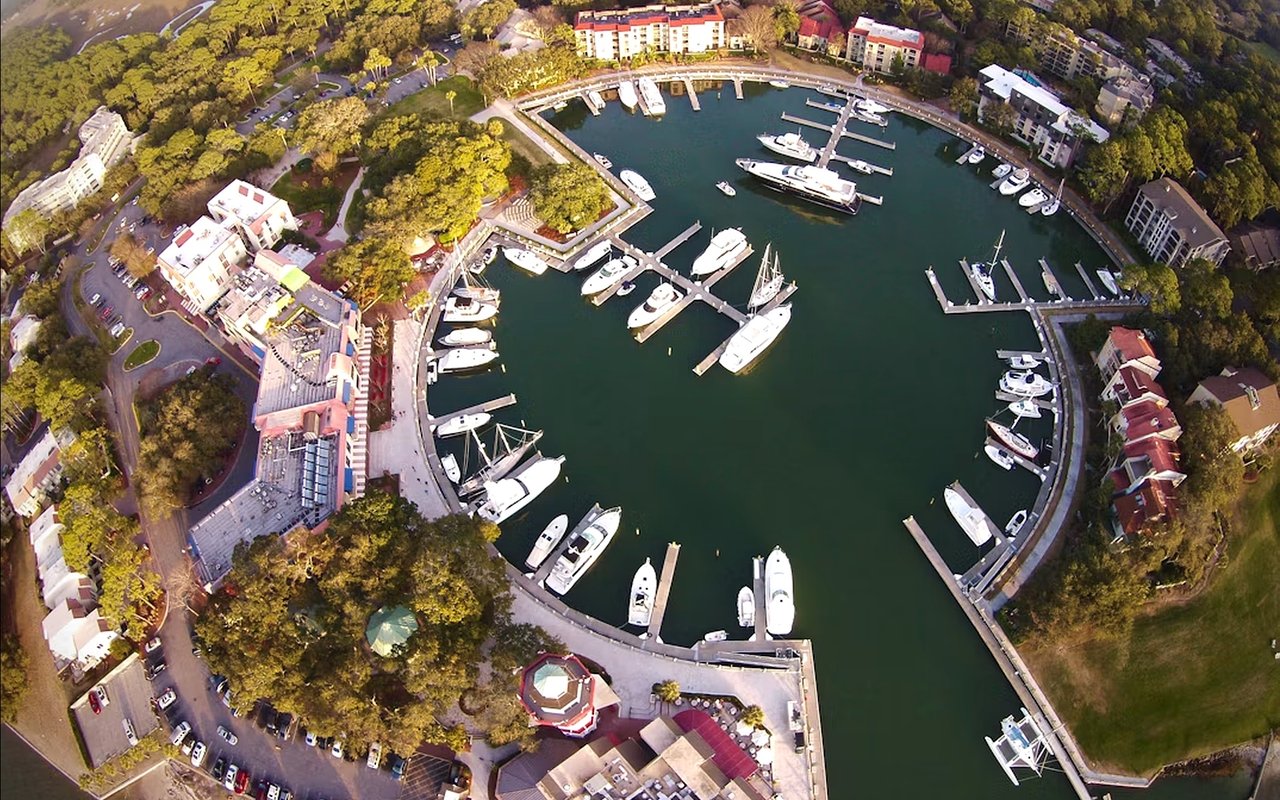
Long Cove has long carried a reputation as the most expensive HOA and club combination on the island, a reputation earned honestly. Membership is not optional. Buying a home in Long Cove means joining the club, whether or not anyone in the household plays golf, and the roughly 570 homesites all pay into the same dues structure regardless of home value. That structure already funds an 18-hole Pete Dye course, an 85-slip marina on Broad Creek with no separate slip fee, eight Har-Tru tennis courts, a farm with member garden plots, and the island's only private-community dog park. It is, by design, an all-inclusive number.
Which is exactly why the special assessment is worth pausing on. A club charging the island's highest dues has, in theory, the most room to build clubhouse maintenance into its annual budget rather than asking owners for a lump sum later. Long Cove's own fee page shows that is not how it played out this cycle.
What the $7,866 Actually Covers
The assessment funds a Clubhouse Enhancement Project that began in July 2026, with billing on the $7,866 having started the month before. Owners can pay that amount per property as a lump sum or spread it over eight years with interest. That financing detail is itself informative. An eight-year interest-bearing payment plan is not how a club treats routine maintenance. It is how a club treats a project large enough that even owners at the top of the local price range need a way to spread out the cost.
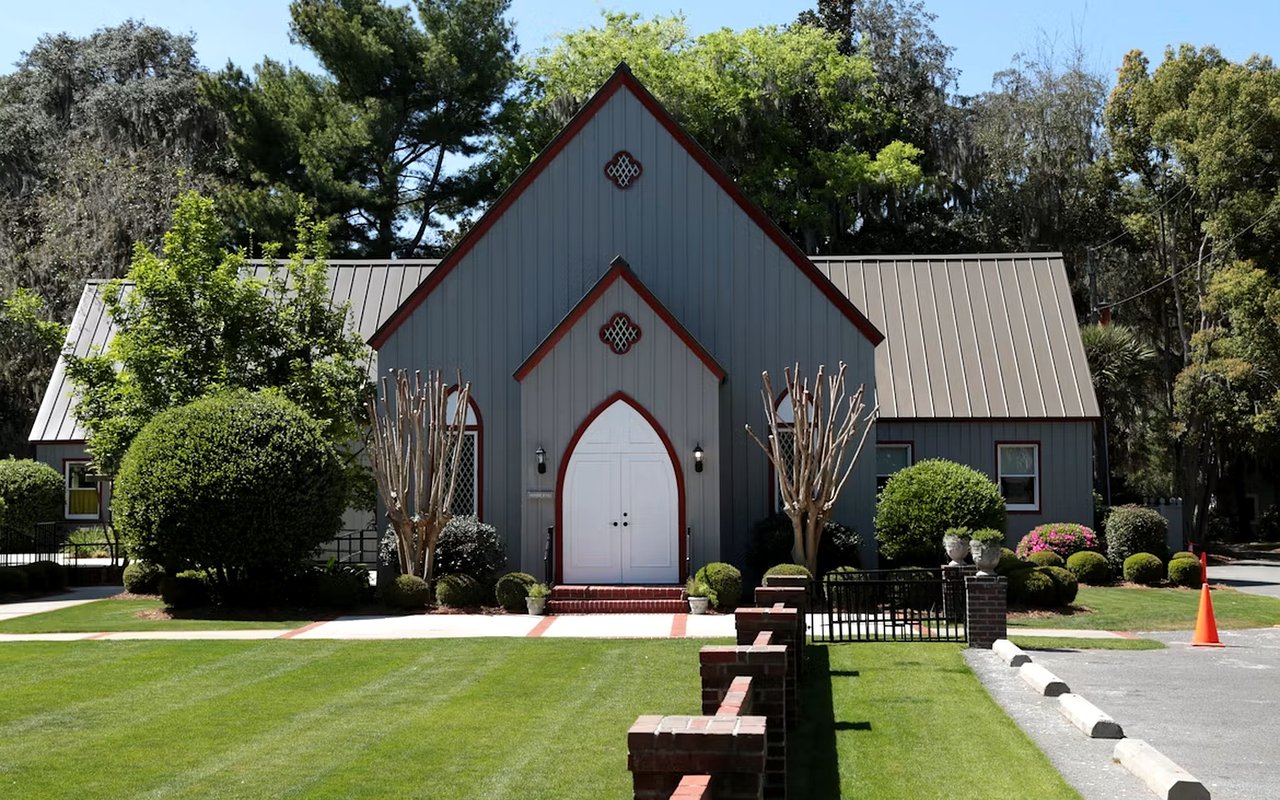
This is not Long Cove's first clubhouse project. The building underwent a full restoration and expansion in 2013, handled by H. Chambers Company with construction by Choate Construction, adding a members' dining hall, a commercial kitchen, and expanded locker rooms. That renovation won Golf Inc.'s Clubhouse Renovation of the Year and a Bronze Award from Golf Magazine the following year. The golf course itself went through its own restoration in 2018 and 2019, when architect Bobby Weed, who had served as the original construction supervisor when the course opened in 1981, rebuilt bulkheads to the original specifications and switched the fairways to Celebration Bermuda grass.
Both of those projects happened without the kind of stacked initiation-fee jump and per-property assessment the club is asking for now. The difference this time is scale, timing, or both, and the club's own materials do not spell out which.
The Assumption This Breaks
The natural assumption for a buyer comparing Hilton Head communities is that dues level and assessment risk move together. Pay more every year, the thinking goes, and the club should have deeper reserves and fewer surprise bills. Long Cove's 2026 numbers argue against that. The community with the highest recurring dues on the island just asked owners for a one-time capital payment anyway, in the same stretch that it raised the entry fee by half.
What that combination actually reflects is a choice about how capital projects get funded, not a measure of how expensive a club is allowed to get. Some private clubs build reserve contributions into annual dues so a clubhouse renovation is already paid for by the time it happens. Others keep recurring dues lower on paper and fund big projects through periodic special assessments when the need arises. Long Cove's dues are not low by any standard, yet the assessment still showed up. The lesson for a buyer is that the size of a club's annual bill does not tell you whether that club has fully reserved for its next capital project. Only the club's stated reserve policy, and its history of assessments, tells you that.
What the Money Buys Regardless
None of this means Long Cove is a bad value relative to its category. The club hosts the Darius Rucker Intercollegiate, the top-ranked women's collegiate golf tournament in the country, broadcast live on Golf Channel, and the Long Cove Fund has distributed $2 million in charitable grants since 2003. The course has ranked among Golf Digest's top private courses in the state for a decade running. Short-term rentals are not permitted anywhere in the community, which keeps the resident population stable and distinguishes Long Cove from island neighborhoods where turnover is constant.
Home prices reflect the exclusivity. As of the most recent reporting available in late 2025, roughly 28 homes sold in Long Cove over the trailing year at an average price near $1.3 million, with listings typically ranging from about $650,000 for interior lots up to $3.4 million for waterfront estates, and homes spending 60 to 90 days on market before selling. Those figures predate the 2026 fee changes, so anyone using them to budget a purchase should treat the initiation fee and assessment as additions on top, not numbers already baked into the sale price.
Questions Worth Asking Before the Fee Page Becomes Your Fee Page
A buyer looking seriously at Long Cove, or any mandatory-membership club on Hilton Head, has a short list of questions that the marketing materials will not answer on their own. Ask whether the current assessment is a one-time charge or the first of a series tied to a longer capital plan. Ask what percentage of annual dues is currently allocated to a capital reserve fund versus operating expenses, since that ratio predicts how likely another assessment is in the next five years. Ask whether the interest rate attached to the eight-year payment option is fixed, and whether paying the $7,866 in a lump sum at closing is negotiable as part of the purchase contract. And ask for the club's assessment history going back further than this one project, since a pattern of periodic special assessments tells a different story than a single unusual year.
None of these questions require confrontation. They require the same due diligence any buyer would apply to a homeowners association with a thinner amenity list, just applied at the scale Long Cove's numbers demand.
Considering Long Cove Club or another private golf community on Hilton Head and want the full current fee picture before you write an offer? John Campbell can walk through the latest schedule of fees, assessment history, and what it actually means for your closing costs.