Water views or green views? In Belfair, choosing between a waterfront home and a fairway home shapes your daily life, long-term costs, and resale path. You want the view you love without surprises on insurance, permits, or maintenance. In this guide, you’ll learn the key tradeoffs, the due diligence steps that matter most, and how to match each option to your priorities. Let’s dive in.
Belfair options at a glance
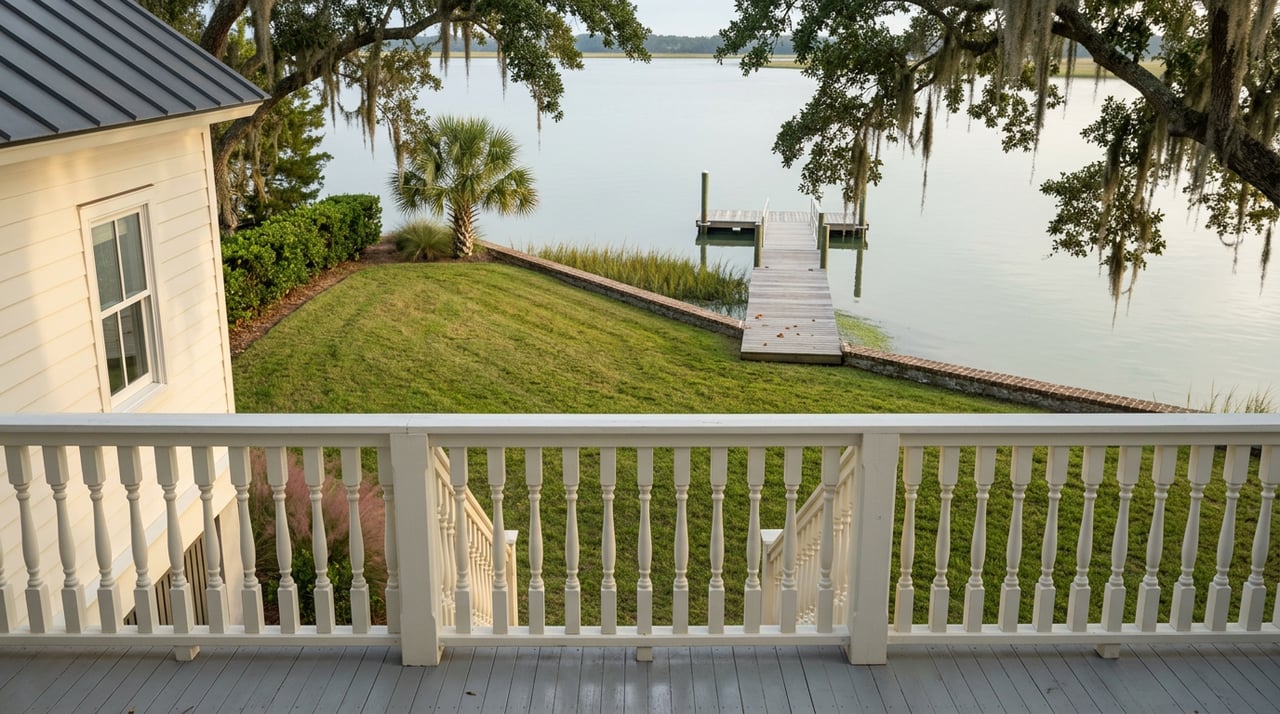
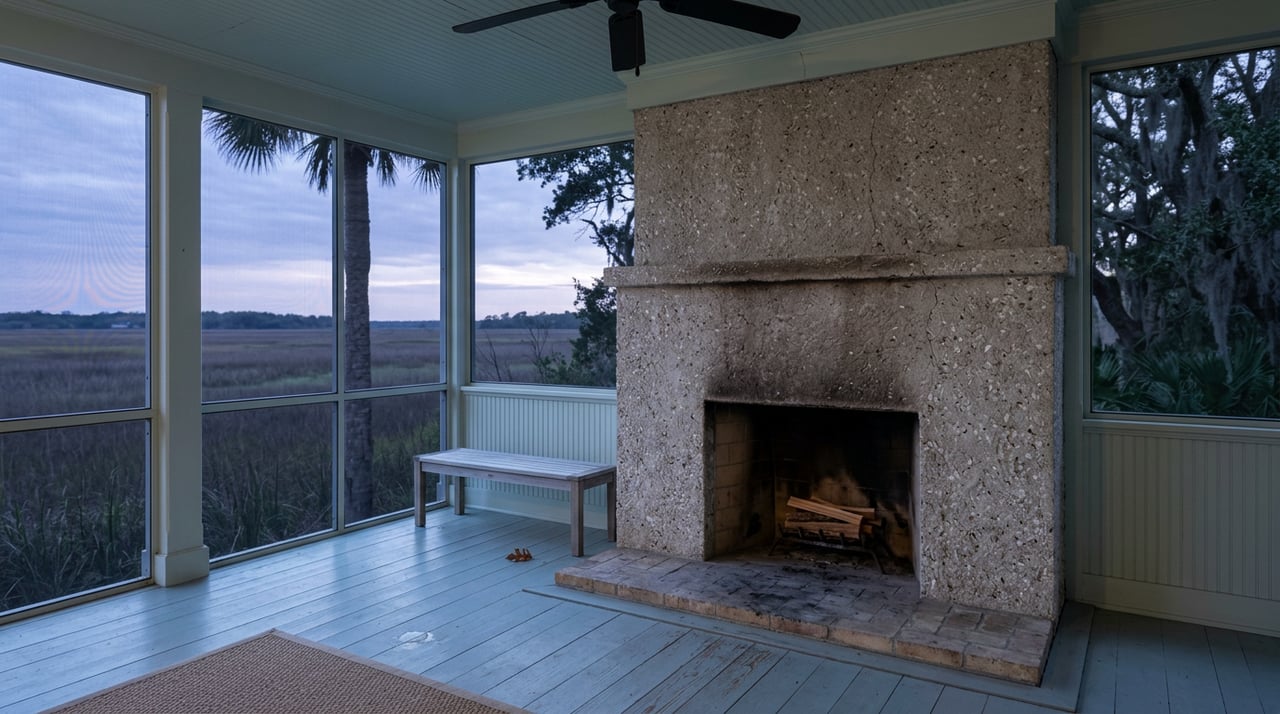
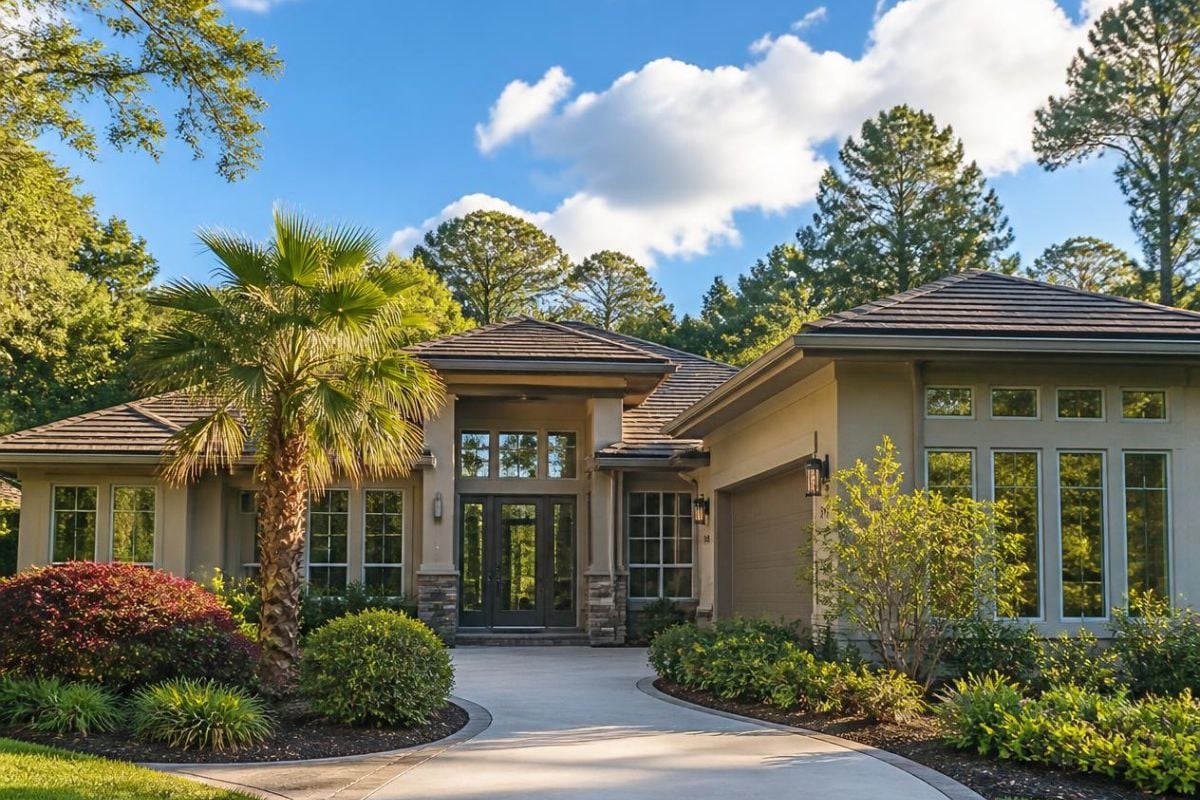
Belfair sits in coastal Beaufort County, where tidal marshes and manicured golf landscapes sit side by side. Waterfront here can mean river, creek, marshfront, or deepwater. Fairway homes back to golf holes with scenic, park-like views.
Before you compare specific properties, confirm the community rules. Ask for HOA covenants and membership details, and verify which amenities are member-only or optional. This protects you from assumptions about docks, club access, or future improvements.
Lifestyle tradeoffs you will notice
Waterfront lifestyle
- Big draws: expansive water or marsh views, potential for boating or fishing, and a strong sense of place.
- Considerations: more upkeep on docks or bulkheads, increased exposure to wind and storm surge, and higher chances of tidal flooding. Long-term sea-level rise can influence access and shoreline stability.
Fairway lifestyle
- Big draws: private backyard views of greens and lagoons, often steadier maintenance needs, and a quieter ownership experience tied to golf and club life.
- Considerations: occasional noise from play, risk of errant golf balls, and design limits from course-side setbacks or easements.
Risk, insurance, and financing
Flood zones and elevation
Start by pinpointing risk. Use the FEMA Flood Map Service Center to identify a property’s flood zone and request the Elevation Certificate if one exists. If a home sits in a Special Flood Hazard Area, many lenders will require flood insurance. Even outside those zones, elevation still influences premiums.
Check longer-term conditions too. The NOAA Sea Level Rise Viewer offers a helpful look at coastal exposure over time, which can matter more for waterfront lots.
Homeowner, wind, and flood coverage
Coastal Beaufort County is in a wind and hurricane risk area. Insurers may require specific construction features, and deductibles for wind or named storms can be significant. For state-level guidance, review the South Carolina Department of Insurance resources, then get quotes from local agents who understand coastal risk.
For flood, compare National Flood Insurance Program guidance with private options. The FEMA flood insurance page explains NFIP basics. Private carriers may offer competitive rates based on elevation and construction, so collect multiple quotes before you lock in financing.
Action to take now
- Get a flood-zone determination early and request any prior flood claims from the seller.
- Ask for the Elevation Certificate.
- Obtain preliminary insurance quotes for homeowners, wind/hurricane, and flood before finalizing terms.
Docks, bulkheads, and shoreline work
If you are eyeing waterfront, treat shoreline structures like critical infrastructure. Many projects require approvals at multiple levels:
- County permits: Setbacks and land-side approvals come through Beaufort County Planning & Zoning.
- State coastal permits: Docks, piers, and shoreline stabilization typically go through the SCDHEC Office of Ocean and Coastal Resource Management.
- Federal review: Work in navigable waters or certain wetlands may involve the U.S. Army Corps of Engineers, Charleston District Regulatory.
Community covenants can add design standards or limits on private docks. Ask for records of existing permits, the date of dock or bulkhead work, and any engineering reports. If a property cannot add or enlarge a dock due to rules or environmental constraints, you want to know that before you buy.
Maintenance and yearly costs
Waterfront-specific upkeep
Salt and tides are tough on materials. Expect periodic dock and piling inspections, corrosion control for metal components, and attention to bulkheads or seawalls depending on material type. Erosion control, marsh migration, and sedimentation can change water access or impact views over time.
Inside the home, plan for vigilance around drainage, crawlspaces, and mechanical systems. Roofs, HVAC, and exterior finishes should be rated for coastal exposure. A marine contractor or coastal-savvy inspector is worth the investment.
Fairway-specific upkeep
The focus often shifts to landscaping, drainage, and irrigation. Course-side runoff and low spots can create pooling after heavy rain, so grading and stormwater management matter. HOA standards can influence plantings, fencing, and exterior modifications. Confirm rules and typical costs for your specific lot.
Inspection checklists before you commit
Waterfront home checklist
- Elevation Certificate and FEMA flood zone verification.
- Bulkhead or seawall status: age, material, recent repairs, and any engineer reports.
- Dock and boat-lift condition: piling depth and type, permitted modifications, and service records.
- Evidence of erosion or marsh recession; review historical aerials if available.
- Foundation grade, sump pumps, drainage patterns, and any signs of salt intrusion or mold.
- Roof, windows, and exterior materials suitable for coastal exposure; check for corrosion on HVAC and electrical components.
Fairway home checklist
- Course-side setbacks, easements, and the buildable envelope.
- Privacy and safety planning: fencing, landscaping, and placement of outdoor areas.
- Drainage and grading evaluation; inspect irrigation systems.
- HOA history on exterior changes and landscaping enforcement.
Price and resale factors to watch
Waterfront often carries a premium, but the spread depends on the type of water access, elevation, view quality, and the condition of shoreline structures. Insurance costs and flood-map updates can also influence values and buyer demand. Fairway homes can show steadier demand among buyers who want scenic views without the same flood exposure.
Avoid assumptions about appreciation. Review recent comparable sales and trends for your specific property type. Ask your agent for a custom analysis based on current Belfair inventory and features like elevation, view corridor, and improvements.
A simple decision plan
Follow this sequence to reduce surprises and protect your budget:
- Clarify priorities. Rank what matters most: direct boat access, widest water view, lower insurance costs, privacy, or proximity to amenities.
- Confirm flood and elevation. Check the FEMA Flood Map Service Center and request the Elevation Certificate and any flood claim history.
- Verify HOA and club rules. Ask for covenants, bylaws, fee schedules, recent minutes, and any planned special assessments.
- Vet permits and structures. For waterfront, request dock and bulkhead permits, service records, and engineering reports. For fairway, request easement maps and landscaping standards.
- Get insurance and lending pre-checks. Pull preliminary quotes for homeowners, wind/hurricane, and flood. Confirm lender requirements based on the property’s zone and features. For state guidance, consult the South Carolina Department of Insurance.
- Hire specialists. Choose a coastal-experienced home inspector. Add a marine contractor for docks and bulkheads, and a structural or civil engineer if major shoreline structures exist.
- Plan long-term costs. Budget for docks or seawalls, irrigation and landscaping, HOA dues, and potential insurance changes. Use the Beaufort County GIS to review parcel data, flood overlays, and easements.
Which Belfair home type fits you?
Choose waterfront if you want the water to shape your days and you are comfortable with maintenance, permits, and insurance variability. Look for strong elevation, documented dock and bulkhead care, and construction built for coastal exposure.
Choose fairway if you want a scenic backdrop with often steadier upkeep, lower tidal flood exposure, and fewer shoreline variables. Focus on setbacks, drainage, privacy landscaping, and course orientation.
If you are on the fence, shortlist one of each and run the full due diligence. Comparing side by side with real quotes, documents, and inspections will make the answer clear.
Ready to explore Belfair with a trusted local? Reach out to John Campbell for a tailored plan, curated tours, and a clear-eyed look at insurance, permits, and resale factors that fit your goals.
FAQs
What should Belfair buyers check first when comparing waterfront and fairway homes?
- Start with flood zone and elevation, then confirm HOA rules and fees, and get preliminary insurance quotes for homeowners, wind, and flood.
Do Belfair waterfront homes always cost more than fairway homes?
- Waterfront often carries a premium, but value depends on access type, elevation, shoreline structure condition, insurance costs, and buyer demand.
How do I verify flood risk for a specific Belfair property?
- Use the FEMA Flood Map Service Center and request the Elevation Certificate, then obtain site-specific insurance quotes.
Can I add or enlarge a dock on a Belfair property?
- Possibly, but you must confirm eligibility and secure permits through SCDHEC OCRM, the county, and sometimes the U.S. Army Corps of Engineers.
Are Belfair fairway homes safer during storms than waterfront homes?
- Fairway lots often have lower tidal flood exposure, but wind, rain, and inland flooding risks remain; elevation and construction details still matter.