Choosing between Leamington’s Residential homes and its oceanfront or second-row Villas can feel like two great paths to the same coastal lifestyle. You might be weighing privacy against convenience, or low-maintenance living against having your own yard. If you want clarity on rental rules, fees, and what daily life actually feels like in each area, you’re in the right place. In this guide, you’ll learn the key differences, what to verify in the documents, and how to match your goals to the right fit. Let’s dive in.
Leamington at a glance
Leamington sits inside the Palmetto Dunes area on Hilton Head Island in Beaufort County, South Carolina. It includes a Residential section (single-family homes) and a Villa section (condominium or townhome-style buildings, often near the ocean). Each follows its own association rules. Your choice affects how you live, what you can rent, how much you maintain, and what you pay in fees.
Quick comparison
| Option | What it is | Best for | Tradeoffs |
|---|---|---|---|
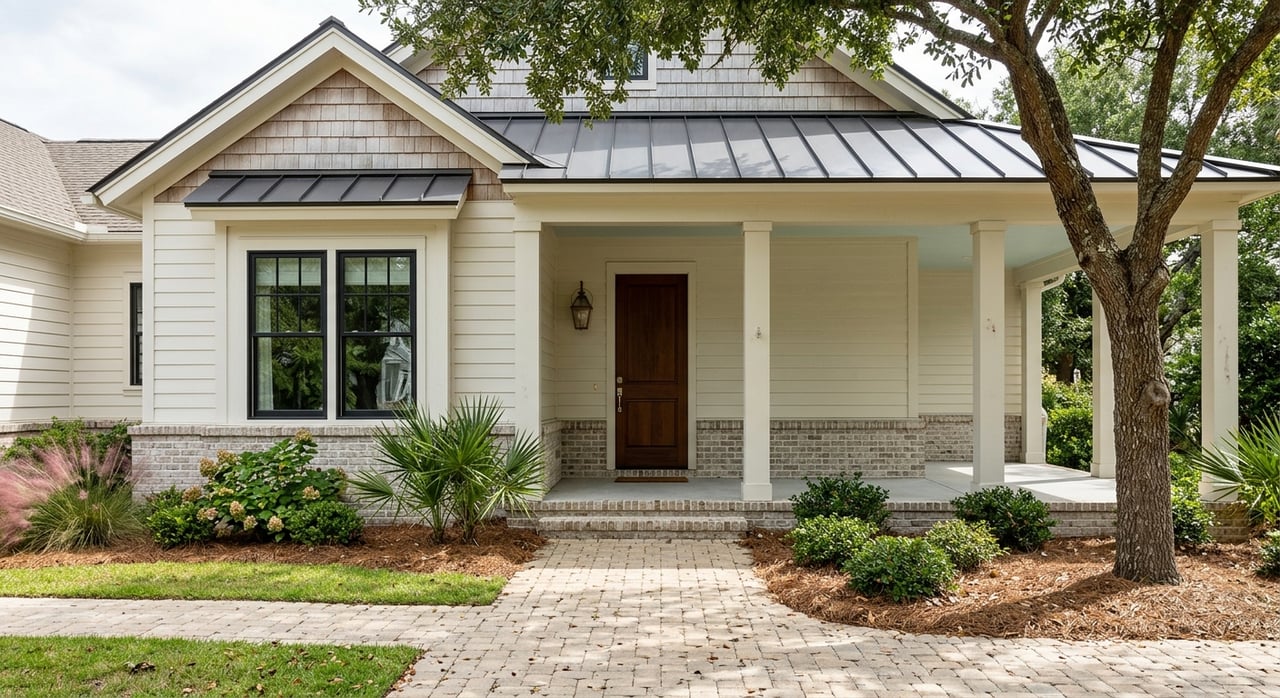
| Residential | Single-family homes governed by HOA and architectural review | Privacy, quiet streets, storage and parking | More owner maintenance, typically not right by the shoreline |
| Villa | Individually owned condo/townhome units with a condo association | Low-maintenance ownership, potential short-term rental (if allowed) | Higher monthly assessments, shared walls and common areas |
Ownership and maintenance
Residential homes
In the Residential section, you usually own a fee simple lot with a detached home and follow HOA and architectural review guidelines. You handle your own exterior upkeep, landscaping, roof, and in-home systems. Many out-of-state owners hire local service providers to keep things running smoothly. The HOA typically oversees common areas and community standards.
Villas
In the Villa section, you typically own a condo unit and share a condominium association. The association often handles exterior building maintenance, common areas, landscaping, and some shared systems. This is attractive if you want a lock-and-leave setup. You still budget for assessments and any special projects the association undertakes, so reserve funding and building history matter.
Rental flexibility and rules
Association rules first
Rental policies depend on the governing documents. In many Residential sections, short-term rentals are prohibited or a minimum lease term is set. Confirm the exact rule in the CC&Rs. Villas commonly allow rentals, and many owners use short-term rental platforms. Some condo associations require registration, set minimum stays, or limit the number of active rentals at a time. Ask if there is a centralized rental program or approved vendors.
Local compliance
If you plan to rent a Villa short-term, expect local requirements such as business licensing, transient occupancy tax collection, and periodic compliance steps. Rules can change, so check the current policies for Beaufort County or the Town of Hilton Head Island and follow state and federal tax reporting for rental income. This is part of your due diligence.
Practical outcomes
- Villas that allow short-term rentals can offer higher gross rental potential, especially near the ocean. You will also manage guest turnover, housekeeping, and reviews.
- Residential homes that do not allow short-term rentals tend to feel quieter and more stable day to day. If permitted, longer-term leases may be an option, but verify the minimum lease length.
Lifestyle and privacy
Day-to-day feel
Residential homes often feel more private and quieter due to fewer transient guests. You have your own yard and more control over storage for bikes or gear. Villa life places you closer to resort activity and the beach, which adds convenience. You will also share walls and common spaces, which can bring more foot traffic and seasonal bustle.
Beach proximity
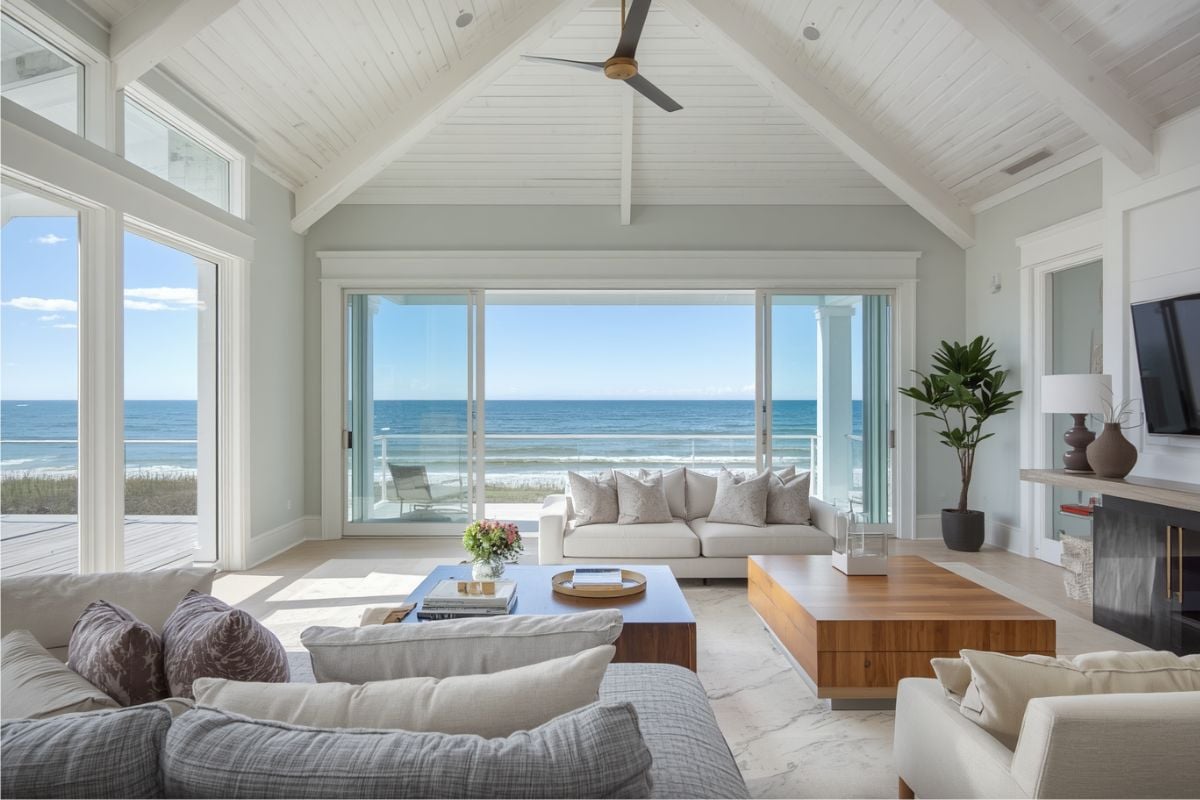
Many Villa buildings sit oceanfront or second-row, putting you a short walk from dune walkovers. Residential homes are typically set farther from the shoreline, though still within the larger Palmetto Dunes setting. If an easy beach stroll is your top priority, Villas usually win on proximity.
Amenities and access
Palmetto Dunes typically offers direct beach access points, lagoon systems, golf courses, tennis and pickleball facilities, bike paths, and on-site restaurants and services. Proximity varies by address. Villa owners near the ocean often enjoy immediate beach access and quick walks to paths. Residential owners trade a slightly longer walk or ride for the benefits of private lots and more personal space.
Guest parking and loading rules matter for short-term rentals. Many Villa buildings limit the number of parking spaces per unit, which affects turnover and guest logistics. Residential homes generally offer more on-site parking and storage.
Fees and financial planning
Assessments and inclusions
- Villas: Monthly assessments are typically higher because the association covers exterior building upkeep, common area utilities, insurance for common elements, pest control, and reserves. Always review what is included for the specific building.
- Residential: Assessments are often lower because the HOA covers fewer items. You assume most maintenance and utility costs for your home and lot.
Request current assessment amounts, the reserve study, and a history of special assessments. For Villas, pay close attention to reserves, exterior projects, and any elevator or roof plans.
Operating costs
Coastal insurance, including wind and flood, can be significant. Villa owners usually carry an interior policy that pairs with the association’s master policy, while Residential owners typically insure the full structure. Set realistic budgets for insurance deductibles, flood coverage, utilities, landscaping, pest control, and internet.
If you plan to run a short-term rental in a Villa, include management fees, housekeeping per-turn costs, and furnishing reserves. Income depends on seasonality, unit quality, reviews, and marketing. Request actual rental history for any unit you seriously consider.
Coastal risk, insurance, and upkeep
Hilton Head’s coastal setting brings wind, surge, salt exposure, and potential flooding. Confirm the FEMA flood zone designation and ask for an elevation certificate if available. For Villas, verify what the master policy covers and what you must insure inside the unit. For Residential homes, price out full-structure coverage and consider wind/hurricane deductibles. Ask about exterior materials, roof age, HVAC age, and moisture intrusion history. Coastal maintenance planning reduces surprises.
Due diligence checklist
Use this list before you write an offer or during your inspection period. It will help you validate rules, costs, and risk.
- Full CC&Rs, Declaration, Condominium documents, and Rules & Regulations
- HOA/Condo meeting minutes from the past 12 to 24 months
- Current budget, financials, reserve study, and insurance certificates
- Rental policy, any registration requirements, and (for Villas) rental history with occupancy and gross/net revenue
- Any pending litigation or special assessment notices
- Seller disclosures and recent inspection reports
- FEMA flood maps and any elevation certificates
- Property tax bills and assessment records
- Photos or virtual tours showing building exteriors, parking, beach access, and common areas
- Conversations with HOA/association management on enforcement and upcoming projects
- Consultations with local insurance brokers for premium and deductible expectations
- A chat with a property manager about short-term rental performance, guest logistics, and fees
Who each option fits
- Privacy and primary living: Residential. You value quiet streets, more storage, and control over your outdoor space. You accept yard and exterior maintenance.
- Low-maintenance and convenience: Villa. You prefer association-handled exteriors and want easy access to the beach and resort amenities.
- Income-minded with STR potential: Villa. If association and local rules allow, oceanfront or second-row Villas can capture strong seasonal demand. You will manage turnover and guest experience.
- Space for gear and easier parking: Residential. Garages, driveways, and yards make storing bikes or kayaks straightforward.
How to choose with confidence
Start with your non-negotiables. If your top goal is a quiet, private setting with a yard, the Residential side likely fits. If you want minimal exterior responsibilities, beach convenience, and potential short-term rentals (where allowed), a Villa may deliver more of what you need.
Next, turn preferences into facts by reading the documents. Confirm rental rules, parking limits, assessment amounts, reserve strength, insurance coverage, and flood zone data. If you are out of state, ask for time-stamped videos or virtual tours that show beach access, parking, and building exteriors in both peak and off-season.
When you are ready to compare specific addresses, a local, document-driven approach helps you avoid surprises and set a smart budget.
Ready for tailored guidance, property alerts, or an instant valuation as you explore options? Reach out to John Campbell for hyper-local insight and a clear next step.
FAQs
What is Leamington within Palmetto Dunes?
- Leamington is a named neighborhood inside the Palmetto Dunes area on Hilton Head Island that includes a Residential section of single-family homes and a Villa section with condo-style ownership.
Are short-term rentals allowed in Leamington Villas?
- Many Villas allow short-term rentals, but specific rules vary by condominium association and may include registration or limits, so verify the current documents.
Do Leamington Residential homes allow short-term rentals?
- Residential sections commonly prohibit short-term rentals or set a minimum lease term, which you should confirm in the CC&Rs for the specific property.
What fees should I expect for a Leamington Villa?
- Villa assessments are typically higher because they cover exterior maintenance, common areas, some utilities, insurance for common elements, and reserves; always review the current budget and reserve study.
How close are Leamington Villas to the beach compared to homes?
- Villas are often oceanfront or second-row with quick access to dune walkovers, while Residential homes usually sit farther from the shoreline in exchange for more privacy and yard space.
What should out-of-state buyers verify before closing in Leamington?
- Review rental rules, meeting minutes, financials, reserve studies, insurance coverage, flood zone status, special assessments, and any local licensing or tax requirements for rentals.
How do coastal risks affect ownership in Leamington?
- Budget for coastal insurance and check wind and flood coverage; confirm building materials, roof age, and maintenance history to plan for salt exposure and storm-related wear.