Trying to sort out the difference between a condo and a villa in Sea Pines? You are not alone. Labels can be confusing here, and the details affect your budget, insurance, financing, and rental plans. In this guide, you will learn how each option works in Sea Pines, what costs to expect, and how to verify the fine print before you buy. Let’s dive in.
Condo vs. villa basics in Sea Pines
What “condo” means
A condominium is ownership of your individual unit’s interior space plus a shared interest in the common elements. The association usually maintains the exterior, roof, and shared amenities through HOA fees. Owners typically handle interior upkeep and carry a condo policy for interior finishes and contents.
What “villa” means here
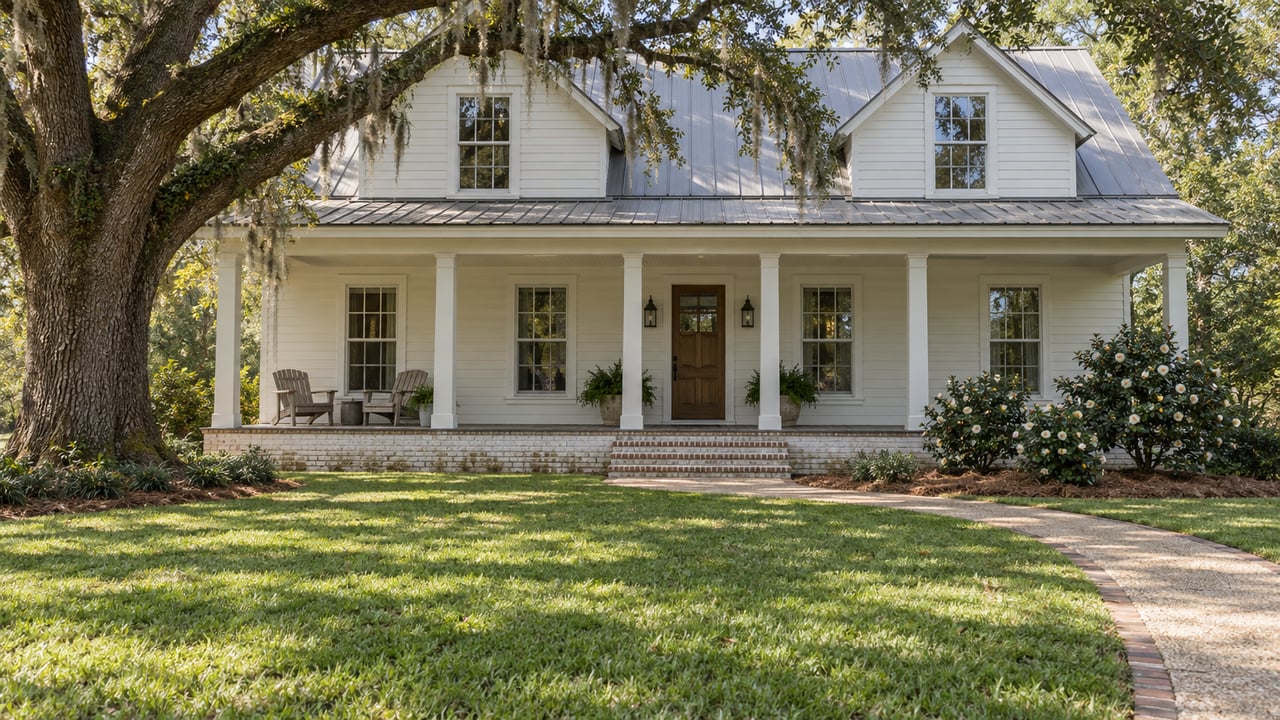
In Sea Pines, the word “villa” is used broadly. Some villas are attached townhome-style residences in an HOA. Others can be fee-simple, which means you own the land and structure like a small single-family home. The only way to know for sure is to confirm the deed type and read the community documents.
Why naming matters
“Villa” in a listing does not guarantee a specific ownership form. It can feel like a townhouse, a duplex, or a condo-style regime. Always verify the master deed, recorded plat, and Covenants, Conditions and Restrictions so you understand rights, responsibilities, and costs.
Ownership, maintenance, and insurance
Who maintains what
- Condos: Associations typically cover exterior maintenance, roofs, landscaping, building insurance, and shared amenities. Your HOA dues fund these items. You maintain interior systems and finishes.
- Villas: It depends on deed type. Fee-simple villas often place roof and exterior responsibility on you. Villas in an HOA may include exterior upkeep in the dues. Review each community’s documents to see what is covered.
Insurance differences
- Condos: The association carries a master policy for the building shell and common areas. You carry an HO-6 or similar policy for interior finishes, contents, and personal liability. Separate flood and wind coverage may be required.
- Villas: Fee-simple villas usually use a standard homeowners policy that covers the structure, contents, and liability. If there is an HOA, check what portions the association insures. On the coast, expect wind/hurricane deductibles and consider flood coverage if your lender or risk profile requires it.
Flood and coastal risk
Parts of Sea Pines are in FEMA-designated flood zones, which can impact insurance requirements and premiums. Review the property’s flood zone and request an elevation certificate when available. You can check mapping through the FEMA Flood Map Service Center.
Financing and approval
Condos and project approval
Lenders often apply extra underwriting to condo projects. They look at the association’s financial health, reserves, owner-occupancy ratios, delinquencies, and any litigation. FHA and VA buyers may need the project to meet program approval standards. Projects with weak reserves or heavy investor concentration may be harder to finance.
Villas and single-family underwriting
Fee-simple villas are usually treated like single-family homes for underwriting, which is often more straightforward. If a villa is part of an HOA with shared elements, some condo-like questions can still arise. Ask your lender how they expect to classify the property early in the process.
HOA fees, reserves, and assessments
What dues usually cover
Condo dues often run higher because they typically include exterior items, roofs, landscaping, and amenities like pools or elevators. Villa dues vary widely. If exterior maintenance is not included for a fee-simple villa, you will budget separately for roofs, siding, and grounds.
How to review association health
Ask for current budgets, recent financials, reserve studies, and the history of dues increases. Review meeting minutes for upcoming projects, special assessments, or repairs. Associations with strong reserves and clear maintenance plans tend to support stable values and smoother resale.
Rentals and lifestyle fit
Rental rules and revenue factors
Sea Pines and many sub-associations regulate short-term rentals. Rules can include minimum stays, registration, and licensing requirements. These directly influence occupancy, seasonal rates, and net returns. Confirm the exact rental policy and any county or town requirements before you project income.
Amenities and daily life
Sea Pines offers private gates, extensive bike paths, beaches, Harbour Town, golf courses, and marinas. Walkability, access to parking, and views such as marsh or ocean often drive demand and pricing. Decide if you value a lock-and-leave setup or prefer more control over your exterior and outdoor space.
What to consider for resale
Liquidity and buyer pools
Lower-priced condos can attract more investors and cash buyers, which can help turnover. Villas that live more like single-family residences may appeal to long-term users and can track closely with single-family trends. Local comps and product type matter more than the label alone.
Micro-location matters
Units closer to the beach, with easier access to amenities or strong views, often command premiums. Two similar properties a few streets apart can have different rental and resale performance. Compare recent sales in the same cluster, regime, and proximity to key amenities.
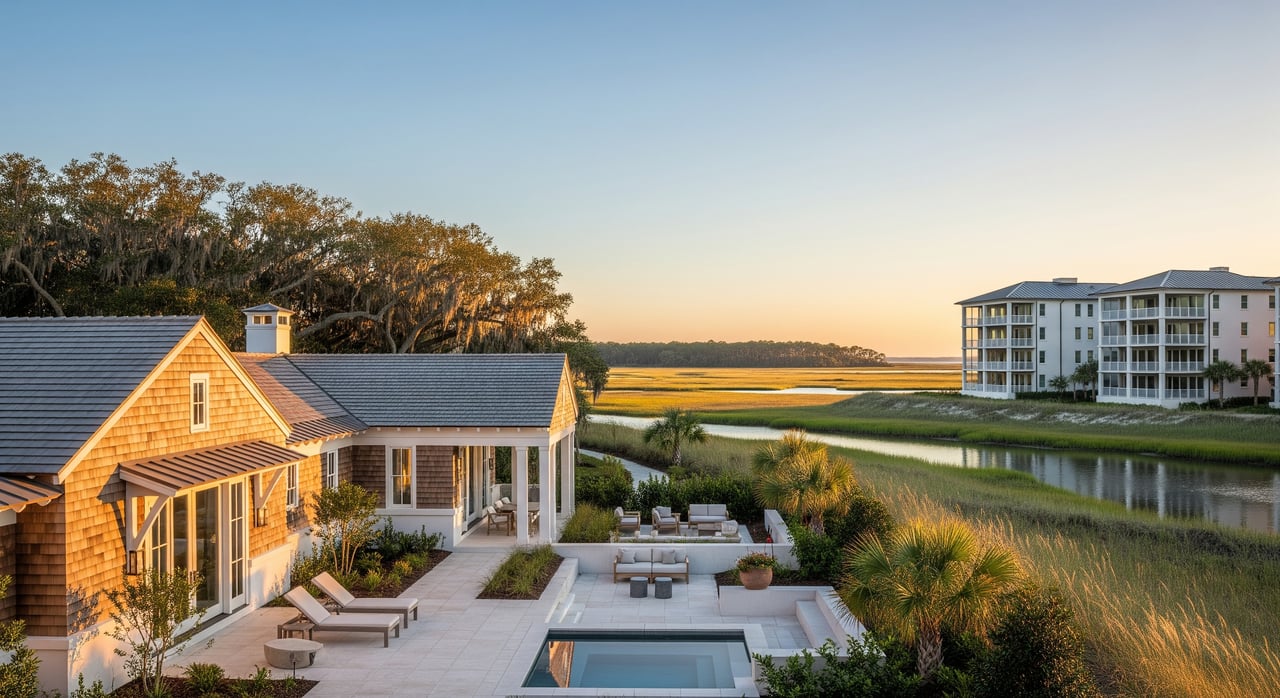
Resale potential can also depend on the type of property and how well it meets buyer expectations. Should you buy a mid-rise condo or a detached building?
Owners considering renovations may want to review top luxury condo upgrade ideas that can improve appeal without over-improving for the market. If you're deciding between attached and detached properties, look at how condos compare with single-family homes across the island before narrowing your search.
Step-by-step due diligence
Your verification checklist
- Confirm deed type and recorded plat for fee-simple vs. condominium regime.
- Request the full HOA packet: CCRs, bylaws, budgets, financials, reserve study, rules, and recent meeting minutes.
- Review the association’s master insurance and your required coverage (HO-6 for condos; HO-3 or similar for fee-simple villas). Verify wind and flood needs.
- Ask about special assessments, pending lawsuits, and major planned repairs.
- Obtain a resale certificate and check for any pending obligations.
- Verify flood zone and request an elevation certificate if available.
- Confirm rental rules, licensing needs, and past rental performance if investing.
- Clarify parking, storage, and any deeded privileges.
- Speak with your lender about condo project approval or single-family treatment.
- Confirm property taxes and any transient occupancy tax responsibilities.
- Schedule inspections for structure, roof (if owner-responsible), HVAC, and pest/termite.
- Determine which utilities are included in dues vs. metered separately.
- Review reserve funding levels and the history of dues changes.
Which is right for you?
Choose a condo if you want simplified exterior care and a lock-and-leave lifestyle, and you are comfortable with project-level lender scrutiny and potentially higher dues. Choose a villa if you prefer more control over your structure and land, possibly easier financing, and a layout that can feel more residential. In either case, the best choice is the one where the ownership structure, insurance, and rental rules align with your plans.
If you want a local, straightforward read on specific buildings and villa clusters in Sea Pines, reach out. As values shift with micro-location, association health, and rental policies, a tailored comparison will save you time and protect your budget. Connect with John Campbell for a focused strategy and property shortlist that fits your goals.
FAQs
What is the main difference between Sea Pines condos and villas?
- Condos are typically interior-only ownership with shared common areas, while villas may be fee-simple or HOA-managed townhomes. Always confirm the deed and CCRs.
How do maintenance responsibilities differ in Sea Pines?
- Condo associations usually handle exterior and roof, funded by dues. Fee-simple villas often make the owner responsible for exterior, unless the HOA states otherwise.
What kind of insurance will I need for a Sea Pines condo or villa?
- Condos often require an HO-6 for interior plus any needed flood coverage. Fee-simple villas typically use a standard homeowners policy, with wind and flood considered.
Are there short-term rental restrictions in Sea Pines?
- Many sub-associations set minimum stays or registration requirements, and local licensing rules may apply. Review association policies and local regulations before renting.
How does financing differ between condos and villas in Sea Pines?
- Condos can face project approval and reserve requirements that affect loan options. Fee-simple villas usually follow single-family guidelines, which can be more flexible.
How do I check flood risk for a Sea Pines property?
- Review FEMA flood maps and request an elevation certificate when available. The FEMA Flood Map Service Center is a good starting point.