Who owns Hilton Head Island? It’s a common question among tourists and people looking to move to this beautiful area. What many people don’t know is that Hilton Head Island has a rich, culturally complex history. Unfortunately, that history often gets overlooked or misrepresented.
To understand the nuances of this rich history, it helps to start with the people who first occupied the land now known as Hilton Head. Things get even more interesting when you find out that the person Hilton Head Island is named after was never its “owner.”
While the ownership of the island is still debated among some, it’s worth examining how this region really became what it is today.
The First People on Hilton Head Island
Before English settlers and colonial figures ever knew Hilton Head Island existed, the land belonged to Native Americans. The two main tribes that occupied this land were the Yemassee and Escamacus tribes.
More is known about the Yemassee tribe, since they were the tribe on this land when English explorers arrived for the first time. Historians believe that several different Native American tribes originally used the land for hunting and fishing, eventually settling there.
Some English explorers came and went before the 17th century, but it was in 1663 that Hilton Head Island got its name.
The Role of Captain William Hilton
Captain William Hilton first caught sight of the island in September of 1663. He was an English explorer and experienced sailor who was looking for new territories for crop-growing on behalf of English planters.
Captain Hilton named this beautiful sight “Hilton Head Island,” the name it still carries today. However, he was never an owner or founder of anything related to Hilton Head Island. His written accounts of the land were published and spread across London, England, which drew English settlers to the area.
Charles Fraser’s Role in Resort-Style Real Estate Development
When people ask, “Who owns Hilton Head Island?” they’re likely wondering about the island’s modern development. That started in 1956, almost 300 years after Captain Hilton gave the island its name.
By the mid-20th century, Hilton Head Island was used primarily for timber, as the island’s tall pine trees were a great natural resource. A group of families owned the island at the time, and a son in the Fraser family saw new potential in this land.
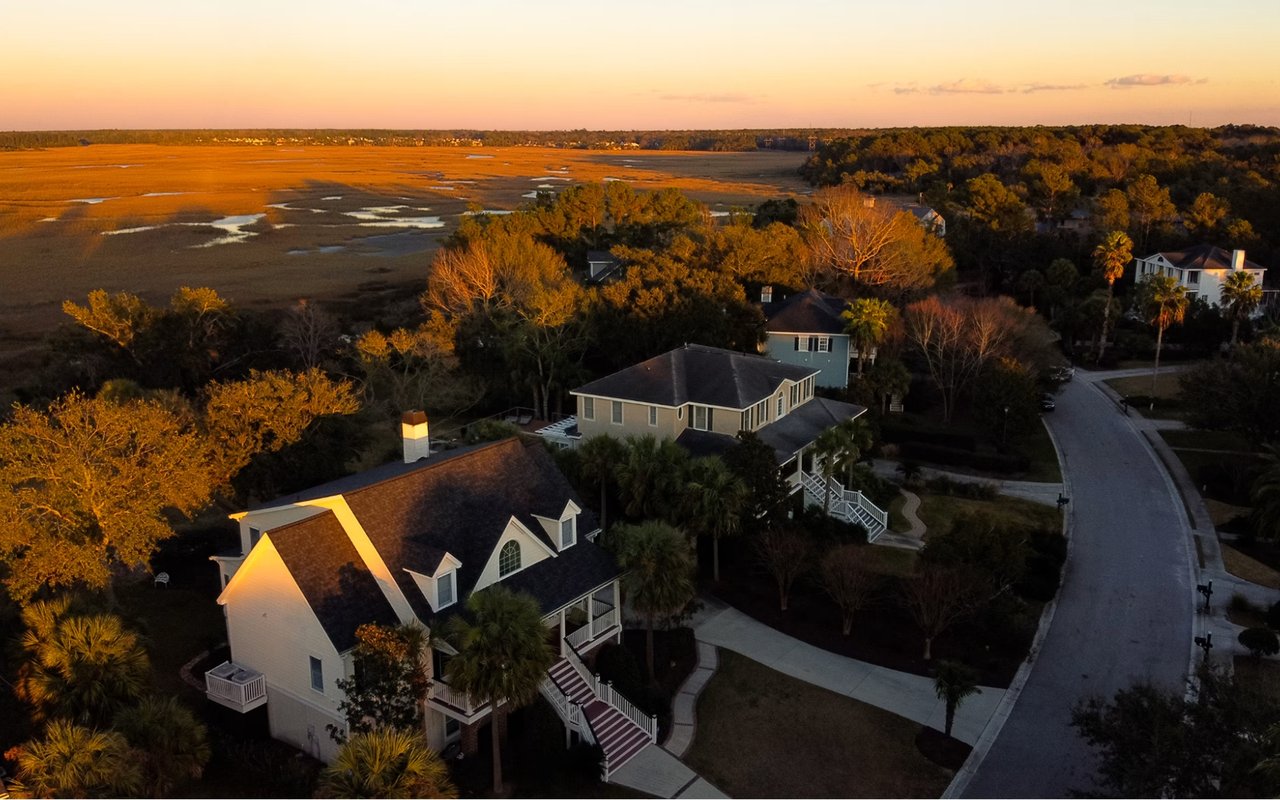
Charles Fraser worked to develop Hilton Head Island into a resort-style community. Sea Pines Plantation was the first major development, and several other neighborhoods followed.
Throughout the next decades, zoners and real estate developers continued zoning different areas on the island. Land covenants became the norm for Hilton Head Island communities. The development of modern luxuries like golf courses, beach homes, and resort amenities exploded.
In 1983, the island was officially incorporated into the town of Hilton Head.
Gullah Geechee Culture: Hilton Head’s Often-Forgotten Legacy
So who owns Hilton Head Island? If you were to ask the more marginalized populations on the island, they’d say the Gullah Geechee people do.
The Gullah people have worked tirelessly to preserve their history throughout the island. Many people who visit Hilton Head Island don’t even know about the Gullah Geechee people, but they remain the island’s oldest settlers (some would say “owners”) in the modern day.
Gullah culture is everywhere on the island if you know what to look for. From the cuisine to the arts on display and gorgeous textile work, Gullah Geechee culture accounts for much of the historic charm of the island.
But who are the Gullah Geechee people exactly? The answer might surprise you; they are the descendants of West African people who were enslaved to work on the plantations throughout the island.
Over the years, slaves of West African descent began to govern their own areas and gain more autonomy. That’s why landmarks like Mitchellville Freedom Park are so important. That park marks the first self-governed town for formerly enslaved people in the United States.
The Gullah Geechee legacy is one of resilience and perseverance. Gullah language, food, textiles, and artwork are interwoven into the very fabric of Hilton Head Island.
When you think about who owns Hilton Head Island, remember the often-forgotten culture that Gullah people still work hard to preserve.
Frequently Asked Questions
Who Originally Developed Hilton Head Island?
While many historical accounts credit Charles Fraser with developing Hilton Head Island, it’s important to note that the land was occupied before he arrived. The history of Hilton Head was shaped heavily by the first indigenous tribes that occupied it, the Gullah people during the Civil War era and beyond, and colonial settlers. The island itself is named after English explorer Captain William Hilton.
How Did Gullah Geechee Culture Influence Hilton Head Island’s Development?
The Gullah people planted roots in Hilton Head, starting with their own Native Islander communities. Various Gullah skills, traditions, and crafts are interwoven into the fabric of modern Hilton Head life. The Gullah Geechee culture remains in the island’s food, apparel, textiles, artwork, and unique phrases.
What Are Some Historical Things to See and Do on Hilton Head Island?
Visiting historical sites and museums will help you understand the full history of Hilton Head Island. The Gullah Museum of Hilton Head is a great place to start learning about the indigenous culture in the area. There are also Gullah Heritage Trail Tours, the Civil War Forts, and the Historic Mitchelville Freedom Park to deepen your knowledge.
My Lowcountry Roots: How Being a Seventh-Generation Gullah Native Guides My Real Estate Work
As for me, my Gullah Geechee roots and Hilton Head nativity go back seven generations. My family has been here for a long while and witnessed the island’s growth and transformation over the decades.
Because of my personal ties to the area, I understand what historically marginalized communities faced in Hilton Head. I also have an appreciation for the modernity and luxury generated by the 20th-century real estate developments, which were pioneered by Charles Fraser.
As a local real estate agent, I cherish the Lowcountry in its entirety: its historical challenges, successes, and current atmosphere. I believe I can find anyone their dream property in this culturally rich area.
Find Your Dream Home on Hilton Head
If you’re looking to put down roots in this unique region, I can offer the local insight you need to find your dream home.
To discover more about Hilton Head and get started on your home search, reach out to me for trusted real estate guidance today.