By John Campbell
I walk every buyer through their closing cost estimate well before we get close to a contract, because South Carolina handles closings differently than a lot of other states buyers are moving from. This state requires a licensed attorney at every real estate closing, which is not optional and changes how the process feels compared to other markets. Buyers here typically budget 2.5 to 4 percent of the purchase price in total closing costs, and that number can shift depending on financing and which fees you negotiate. Here is what I tell every Hilton Head buyer to expect before we get to the closing table.
Key Takeaways
- South Carolina requires a licensed real estate attorney at every closing, which is a legal requirement here
- Buyers typically pay 2.5 to 4 percent of the purchase price in total closing costs
- Deed recording fees are calculated based on the sale price and are customarily paid by the seller
- HOA transfer fees and prorated dues are a Hilton Head-specific cost buyers often overlook
Why South Carolina Requires an Attorney at Closing
What the Attorney Requirement Means for You
- Attorney fees typically run around $300 an hour, though many offer flat fees for straightforward closings
- Flat-fee closings often range from $750 to $1,250 depending on complexity
- Your attorney reviews title work and resolves any issues before closing day
- Working with an attorney familiar with island transactions can help avoid delays specific to HOA and community documents
Deed Recording Fees and Who Pays Them
How These Fees Are Calculated
- The fee scales directly with the property's sale price
- Sellers customarily cover this cost, though it is negotiable in a purchase agreement
- Recording fees are separate from any attorney fees charged for the closing itself
- Your closing statement will itemize this fee clearly alongside other costs
Typical Buyer Closing Costs Beyond the Attorney
Buyers should also take time to review what title insurance on the Lowcountry coast covers, including the types of ownership or title issues a policy may protect against.
What Usually Makes Up That Percentage
- Lender origination and underwriting fees tied to your specific loan
- Title insurance protecting both you and your lender
- Appraisal and inspection costs paid before closing
- Prepaid escrow amounts for property taxes and homeowners insurance
HOA and Community-Specific Costs on Hilton Head
Because community fees vary widely, understanding how POA and regime fees influence pricing can help buyers evaluate the true cost of ownership rather than focusing on purchase price alone.
What to Ask About Before You Close
- Whether the community charges a one-time transfer or capital contribution fee
- How HOA dues are prorated between buyer and seller at closing
- Any special assessments currently active within the community
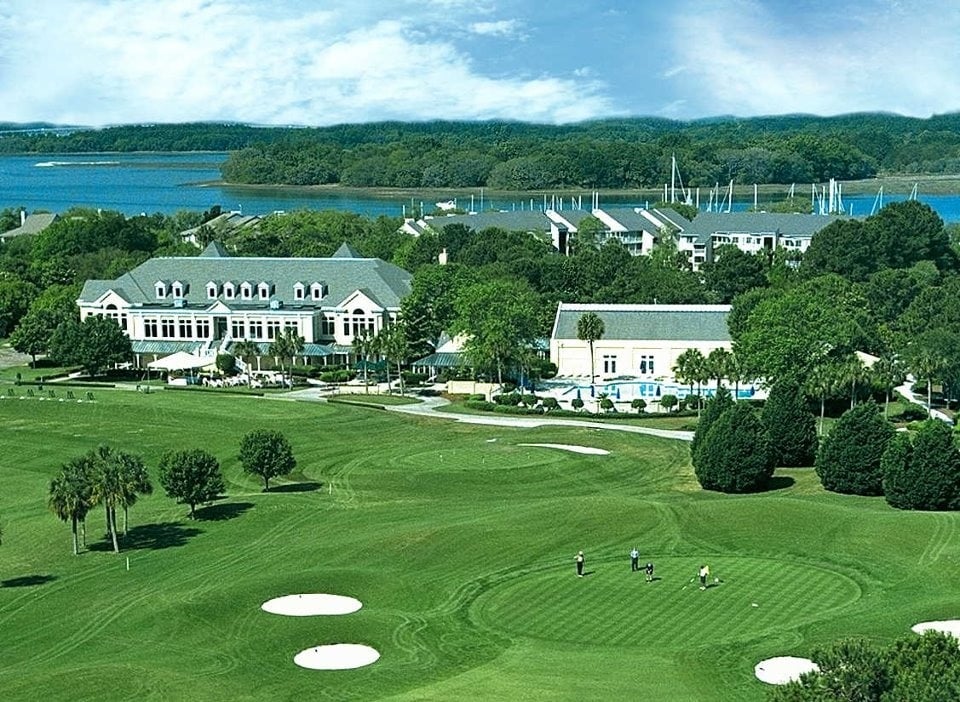
- Membership fees for golf, marina, or beach club access tied to the property
Ways to Manage or Reduce Costs
One way to control overall borrowing costs is to compare lenders and understand how to get the best mortgage rates in Hilton Head Island, SC, since even a small rate difference can affect both the monthly payment and long-term cost of the loan. Buyers should also review closing costs in South Carolina and what buyers should expect so they can identify negotiable expenses, lender fees, and other costs to budget for before closing.
Frequently Asked Questions
Is an attorney required to close on a home in South Carolina?
How much should I budget for closing costs as a buyer?
Are there extra costs specific to buying in a Hilton Head community?
Plan Your Closing Costs With John Campbell
If you are planning a purchase on Hilton Head and want a clear picture of your total closing costs, I am ready to help. Reach out to me to learn more about how I help buyers prepare for closing on Hilton Head.