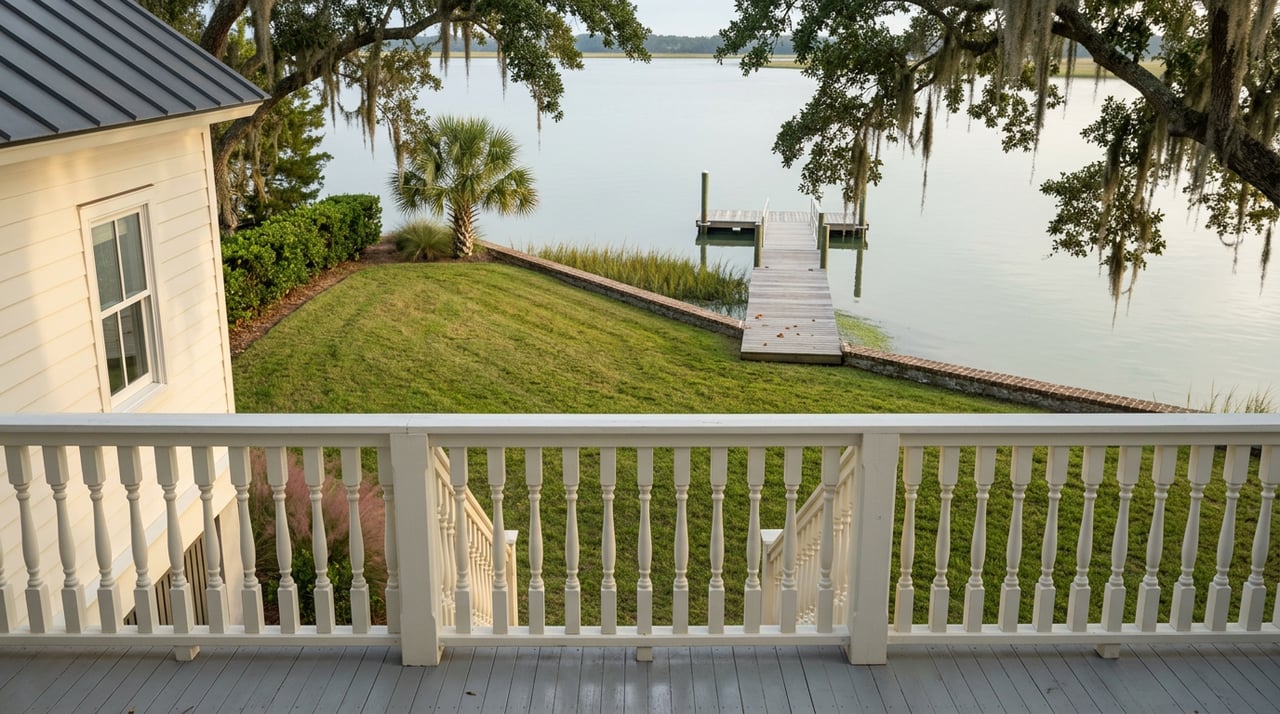
South Carolina is an ideal place to put down roots for many in the U.S. The long summers and waterfront views pull in residents from many northern states every year. Hilton Head Island, in particular, is an attractive draw for prospective residents.
But before moving to South Carolina, there are some practical considerations you’ll want to figure out first. South Carolina property tax is often confusing for new buyers in the state, particularly the 4%/6% assessment split.
Here’s a comprehensive guide to what you need to know about South Carolina tax regulations before moving so that you can find or build your dream home with confidence.
Understanding the 4%/6% Rule in South Carolina Property Tax
In South Carolina, property tax ratios are assessed according to the type of residency status you hold. Commercial and investment properties are taxed differently from standard residences for homeowners.
As a primary resident, meaning you reside in the home yourself and do not rent it out, your property taxes follow the 4% rule. This is considered an exemption from the standard assessment ratio, which is 6% for rental properties.
To be clear, this doesn’t mean you pay 4% or 6% of your total property value in taxes. This simply means that when you get an assessment for what you need to pay, assessors use 4% or 6% of your property’s market value.
How to Get the 4% Property Tax Exemption
In order to take advantage of the Legal Resident exemption, residents must apply for it. The application is processed through the county assessor’s office.
Once you’ve obtained exempt status, you don’t have to reapply for it, unless you move to another property.
Secondary and Vacation Homes
If you own a second home in South Carolina, or it’s considered a “vacation home” that’s not your primary residence, you generally don’t qualify for the Legal Resident exemption. This means the property falls under the 6% assessment rule, not the 4% guideline.
Other South Carolina Property Tax Exemptions
Property tax breaks and exemptions can lower your bill if you fall into certain qualifying groups. For retirees 65 and older and people with qualifying disabilities, moving to South Carolina may be a smart decision when it comes to property taxes.
Homestead Exemptions for Seniors and People With Disabilities
The homestead exemption covers a few different groups: homeowners aged 65 or older, “totally and permanently disabled” homeowners, and blind homeowners.
For these groups, the homestead exemption removes the initial $50,000 of appraised value from the home when property tax is assessed. This can translate to a significant property tax reduction, depending on the home’s value.
How to Calculate South Carolina Property Tax
There are three main factors to weigh in the South Carolina property tax equation: your home’s appraisal value, the assessment ratio, and your county’s millage rate. Multiplying these three numbers together gets you your total property tax bill for the year. Here’s a closer look.
Assessment Value
Your home’s appraisal value at the point of sale may be different from what your local tax assessor determines it is. Tax assessors use comprehensive assessments, rather than standard appraisals, to come up with your tax bill. The value they determine is the first number in the equation.
Assessment Ratio (4% or 6%)
The second number is your assessment ratio. Primary residences are assessed at 4%, whereas investment, rental, or commercial properties are assessed at 6%. Therefore, the second number in your property tax equation will be either 0.04 or 0.06.
Millage Rate
The third number is your county’s millage rate. To simplify it, think of the millage rate as a percentage of the property tax bill that goes toward city and county services.
Your county of residence comes up with a budget every year that determines who pays for public services like waste collection and disposal. Local elections can also influence this number. A higher millage rate will usually translate to slightly higher property taxes that pay more money into beneficial public services.
Income Tax in South Carolina
Property taxes in South Carolina aren’t the only type of tax to consider. Income tax is a primary concern for potential residents, and you may understandably wonder, “Will I pay more in South Carolina than in my current state?”
South Carolina’s individual income tax rate maxed out at 6% in 2025. Each year, the state adjusts income tax brackets to account for inflation. In previous tax years (2021 through 2024), income tax rates were a bit higher, ranging from 6.2% to 7%.
Dependent Exemptions
If you have one or more dependents, you should qualify for an exemption factored into your tax rates. In 2025, taxpayers were allotted a $4,930 exemption per qualifying dependent.
This amount is subject to change each tax year, but knowing previous years’ information gives you a good head start.
The Most Popular Places to Live in South Carolina
Thinking about moving to South Carolina, but not sure where to start? Many visitors from outside of the state enjoy Hilton Head, SC, for its coastal beauty and local charm. This is by far one of the most popular areas to live in.
There are many different neighborhoods to choose from on Hilton Head Island. Each neighborhood offers unique benefits, amenities, and advantages for residents, so take your time exploring what each has to offer.
Frequently Asked Questions
When Are South Carolina Property Taxes Due?
In South Carolina, property tax payments are due by January 15 of the following calendar year. This means that you’d need to pay your 2026 property tax bill by January 15, 2027, to avoid late penalties.
Who Handles South Carolina Property Taxes?
South Carolina property tax payments are processed by your county of residence. Local governments perform the assessments and calculations to determine your final bill each year.
Are There Tax Advantages to Living in South Carolina?
Many prospective buyers and current residents reap the benefits of South Carolina property tax regulations. The Legal Resident exemption qualifies you for a 4% assessment rate, rather than the 6% assessment rate for commercial, investment, and rental properties. Certain groups, like retirees or people with disabilities, qualify for additional exemptions.
Moving to South Carolina? Get Help From a Local Real Estate Expert
Are you looking to make South Carolina your new home? As a Hilton Head native and local real estate expert, I can help you find the property of your dreams that fits into your budget and checks all the boxes on your wishlist. Reach out to learn more about moving to the Lowcountry today.